Canada Visa Requirements for Children: What Parents Need to Prepare
Updated: August 14, 2026
Canada does not issue a separate visa specifically for children. A minor may need a visitor visa (Temporary Resident Visa), an Electronic Travel Authorization (eTA), or another travel document depending on their citizenship, passport, and method of travel. Each child’s requirements should be checked individually.
This guide explains the latest Canada visa requirements for children, including visa types, documents, and a step-by-step process for minors.
 Canada does not issue a separate “child visa,” and even infants require their own individual application
Do Children Need a Visa or eTA for Canada?
Not every child needs a visa or eTA. The requirement depends on the child’s citizenship, travel document, and method of travel. Visa-exempt foreign nationals generally need an eTA when flying to Canada, while visa-required travelers generally need a visitor visa unless they qualify for a specific eTA exception.
Entry requirements depend on:
- Child’s nationality
- Mode of travel (air, land, or sea)
- Purpose of visit (tourism, study, or residence)
Important: Even infants must have their own visa or eTA application.
Does Canada Have an eVisa for Children?
Canada does not issue a separate ‘child eVisa.’ For short visits, the main entry documents are a visitor visa (TRV) or an eTA, depending on the child’s eligibility. Study permits are separate authorization documents and should not be treated as a type of visitor visa.
- Visitor Visa (TRV) – required for visa-required countries.
- Electronic Travel Authorization (eTA) – for visa-exempt travelers arriving by air.
All applications are processed by Immigration, Refugees and Citizenship Canada, and each child must have their own individual travel authorization.
Travel and Study Documents Children May Need
1. Visitor Visa (Temporary Resident Visa)
Used for short-term visits such as tourism or family visits.
Suitable for:
- Family vacations
- Visiting parents or relatives in Canada
- Short stays (usually up to 6 months)
2. Electronic Travel Authorization (eTA)
For visa-exempt countries traveling by air.
Key points:
- Linked electronically to the child’s passport
- Valid for up to 5 years or until the passport expires
- Only required for air travel
3. Study Permit (Long-Term Stay)
Required if a child will study in Canada for more than 6 months.
When Your Child Needs a Visitor Visa Instead of an eTA?
Children from countries that require a visa must apply for a Temporary Resident Visa (TRV) online. The process is more detailed and includes:
- Online application form.
- Upload of supporting documents.
- Payment of the visa processing fee.
- Possible biometrics requirement (depending on age and nationality).
 Depending on the child’s nationality and travel method, this may be either a Visitor Visa (Temporary Resident Visa – TRV) or an Electronic Travel Authorization (eTA)
Canada Visa & Entry Requirements for Minors (Under 18)
Children under the age of 18 are classified as minors in Canada and are subject to the same strict immigration rules as adults. Depending on their citizenship, children may require either a Temporary Resident Visa (Visitor Visa) or an Electronic Travel Authorization (eTA) before boarding their flight to Canada.
To prevent international child abduction, Canadian immigration authorities (IRCC) and border officers (CBSA) maintain a high level of scrutiny regarding minors traveling without both parents.
1. Comprehensive Document Checklist
The documents depend on whether the child is applying for an eTA, a visitor visa, or a study permit. Visitor visa applicants receive a personalized document checklist from IRCC. Documents relating to parental authorization, custody, or guardianship may also be needed depending on who is travelling with the child.
Parents or legal guardians must ensure all documents not in English or French are accompanied by a certified translation.
- Valid Passport: Must be valid for at least six months beyond the intended stay.
- Completed Visa/eTA Application: Specific to the child's details.
- Recent Photographs: Meeting Canadian visa photo specifications.
- Birth Certificate: A copy showing the names of both parents (mandatory to prove relationship).
- Proof of Financial Support: Evidence that the parents or guardians have sufficient funds to cover the child's expenses (bank statements, employment letters).
- Detailed Itinerary: Including round-trip flight bookings and hotel reservations.
- Custodianship Declaration: Custodianship rules mainly apply to minors coming to Canada to study. A child under 17 who studies in Canada without a parent or legal guardian generally needs an appointed custodian and a notarized Custodianship Declaration. Older minors may need one at an immigration officer’s discretion.
- Death Certificate: If one parent is deceased, a copy of the death certificate should be included to explain the absence of the second signature.
2. The Consent Letter: A Critical Requirement
IRCC strongly recommends a consent or authorization letter when a minor travels alone, with one parent, or with another adult. The letter should include contact details for the parent or guardian who is not travelling. IRCC states that the letter does not need to be certified, although families may choose notarization for additional formality.
Who needs a consent letter?
- A child traveling with only one parent.
- A child traveling with relatives, friends, or a group (e.g., school trips).
- A child traveling alone (Unaccompanied Minor).
What should be included?
- Child’s details: Full name, date of birth, and passport number.
- Contact information: Names, addresses, and phone numbers of both parents/guardians.
- Travel details: Dates of travel, destination, and purpose of the trip.
- Accompanying adult: Name and relationship to the child (if applicable).
- Notarization: We highly recommend having the letter notarized to verify the authenticity of the signatures and avoid delays at the border.
3. Specific Travel Scenarios
Child Traveling with One Parent
If only one parent is accompanying the child, the officer may ask for:
- The consent letter signed by the non-traveling parent.
- A copy of the non-traveling parent’s passport or national ID.
Divorced or Separated Parents
Immigration officers are particularly vigilant regarding custody disputes. You should carry:
- Legal custody agreements or court orders defining the rights of each parent.
- Written permission from the other parent, even if you have joint custody.
- Proof of sole custody (if applicable) to demonstrate that the other parent’s consent is not legally required.
Child Traveling Alone
Children traveling solo face the highest level of scrutiny. Requirements include:
- A consent letter signed by both parents or legal guardians.
- Full contact details of the person meeting the child at the airport in Canada.
- Airline Regulations: Many airlines have mandatory "Unaccompanied Minor" (UM) services for children under a certain age. Ensure you book this service and check specific airline policies in advance.
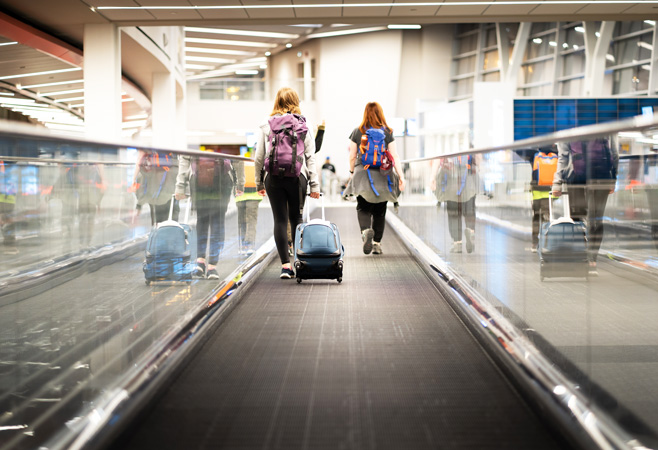 Canadian immigration authorities closely monitor minors traveling alone or with only one parent
How to Apply for a Canada Visa or eTA for Children
Applying for a minor requires extra attention to detail, especially regarding parental consent and legal guardianship. Below is the simplified process to secure your child’s travel authorization.
Step 1: Determine the Correct Entry Requirement
Check if your child needs a Temporary Resident Visa (TRV) or an Electronic Travel Authorization (eTA).
Pro Tip: If your child holds a passport from a visa-exempt country (e.g., many European countries, Australia, etc.), they only need an eTA, which is much faster to process.
Step 2: Choose Your Application Path
You have two main options to file the application:
The DIY Route: Navigate the official IRCC portal independently. This requires careful translation and manual entry of all data.
The Assisted eTA Service Parents can apply directly through the Government of Canada’s official eTA website or choose a third-party assistance service. Canada Immigration Services is a commercial service and is not a Government of Canada office or embassy representative. Additional service fees apply when using the service.
Step 3: Complete the Application & Pay Fees
A parent or legal guardian must complete the form on behalf of the minor.
Important: Even if a child is included in a parent’s passport, they still need their own individual eTA or Visa application.
Fees charged through our service may include the applicable government fee and a separate service fee. Check the total displayed before payment.
Step 4: Provide Biometrics (For Children 14+)
Children under 14 are generally exempt from biometrics. Visitor visa applicants aged 14 to 79 may need to provide fingerprints and a photo unless an exemption applies. An eTA application itself does not require biometrics.
Step 5: Upload Supporting Documents
Supporting documents depend on the application type and the child’s travel situation. A visitor visa applicant should follow the personalized IRCC checklist. Consent, custody, or birth documents may also be relevant when a minor travels alone or without both parents.
If using our service, our experts will double-check that your documents meet Canadian standards before submission.
Step 6: Final Review & Processing
Many eTA applications are decided quickly, but some require additional review. A valid eTA is required for boarding when the traveler is subject to the eTA requirement, but final admission to Canada is decided at the border.
 Careful preparation and accurate documentation can help ensure a smooth application process and stress-free entry into Canada for minors
Canada Visa Processing Time for Children
Processing time varies by:
- Visa type (visitor visa vs eTA)
- Country of application
- Document completeness
Visitor visas may take several weeks, while eTA approvals are often faster.
Important Tips for a Smooth Entry & Application for a Child
To ensure a seamless experience from application to arrival, keep these expert tips in mind:
Strategic Planning
Apply Before Booking Flights: Do not finalize flight arrangements until you have received the visa or eTA. Processing times can vary, and applying early helps you avoid last-minute stress or financial loss from non-refundable tickets.
Passport Validity: Double-check that the child’s passport is valid for the entire duration of the stay. It is highly recommended to have at least 6 months of validity beyond the planned return date.
At the Border
Interview Readiness: Border officers may speak directly to the child in a friendly but firm manner. Prepare the child to answer basic questions (e.g., "Who are you visiting?", "How long are you staying?") to confirm the trip is legitimate and voluntary.
Proof of Ties: Have answers and supporting evidence ready regarding the child's "ties to home" (e.g., school enrollment letters) to prove they will return after the visit.
Carry Hard Copies: Electronic versions are not always reliable. Always carry physical, printed copies of all supporting documents, especially the notarized Consent Letter and Custodianship Declaration.
Educational Considerations
A study permit is generally not required for a program lasting six months or less. The child still needs the appropriate travel document—such as an eTA or visitor visa—based on their passport and eligibility.
Common Issues That Can Delay a Minor’s Application or Travel
Applications for children may be refused due to:
- Visitor visa: incomplete evidence, insufficient funds/ties, unclear purpose.
- eTA: incorrect passport details, eligibility/additional review.
- Border travel: missing parental authorization/custody documents.
Why Use Our Expert eTA Service for Your Child?
Simplified Forms: We’ve removed the confusing legal jargon, making it easy for parents to apply in minutes.
Error Detection: Most eTA delays are caused by simple typos. We catch them before they reach the government.
24/7 Human Support: Talk to a real person who understands the nuances of traveling with minors to Canada.
Final Thoughts
A child’s Canadian travel requirements depend on citizenship, passport, method of travel, and purpose of visit. Parents should first determine whether the child needs an eTA, visitor visa, or study permit, then prepare the travel and parental-authorization documents relevant to that specific situation.