Canada Entry Requirements: Visa, Passport, Documents & Travel Rules
Updated: June 22, 2026
Canada continues to be a top destination for tourists, business travelers, students, and families from around the world. If you're planning a trip, one of the first questions you'll likely ask is: What are the current requirements to enter Canada?
The answer depends on your nationality, travel purpose, and method of entry. Most foreign visitors need a valid passport and either a Canadian Visitor Visa (Temporary Resident Visa - TRV) or an Electronic Travel Authorization (eTA). Depending on your circumstances, immigration officers may also request proof of funds, accommodation details, or evidence that you intend to leave Canada at the end of your stay.
This guide outlines the current requirements for entering Canada and provides practical tips to help you prepare for a smooth arrival.
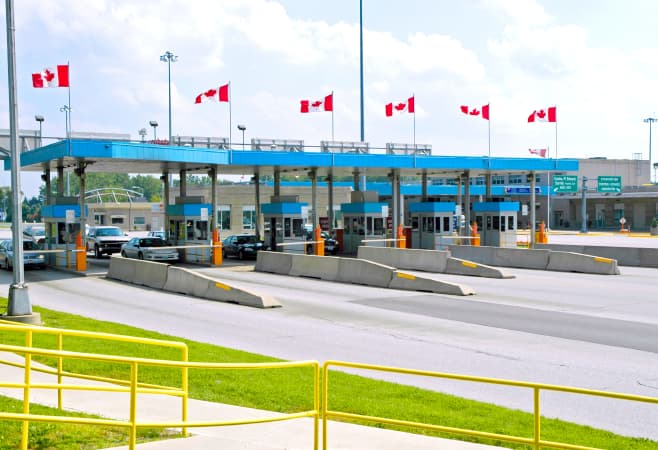 Travelers arriving at a Canadian airport prepare their passports and travel documents before passing through immigration and border inspection
Do You Need a Visa to Visit Canada?
Canada's entry requirements vary according to citizenship. Before booking your flight, determine whether you need a visitor visa or an eTA.
Travelers Eligible for an eTA
Citizens of many visa-exempt countries can travel to Canada for short stays without obtaining a visa. However, if arriving by air, they must obtain an Electronic Travel Authorization (eTA) before departure.
An eTA is electronically linked to your passport and is typically used for:
- Tourism and sightseeing
- Business visits
- Family or friend visits
- Transit through a Canadian airport
An eTA is generally linked to your passport and remains valid according to current Government of Canada regulations or until the passport expires, whichever comes first.
Common eTA-Eligible Countries
Examples include:
- United Kingdom
- Australia
- New Zealand
- Japan
- South Korea
- Most European Union member states
Eligibility requirements can change, so travelers should always verify their status before departure.
Travelers Who Require a Canadian Visitor Visa
Citizens of visa-required countries must apply for a Temporary Resident Visa (TRV) before traveling to Canada.
The application process may include:
- Completing an online application
- Providing supporting documents
- Submitting biometric information (fingerprints and photo)
- Demonstrating sufficient funds
- Explaining the purpose of travel
Processing times vary by country and season, so applying several weeks in advance is recommended.
U.S. Citizens and Permanent Residents
U.S. citizens generally enjoy the simplest entry process.
U.S. Citizens
For tourism or short visits, U.S. citizens typically need only:
- A valid U.S. passport
- U.S. citizens generally do not need a visa or eTA for short visits and are commonly admitted for up to six months, subject to border officer assessment.
U.S. Permanent Residents (Green Card Holders)
U.S. lawful permanent residents (Green Card holders) are exempt from the eTA requirement. Travelers should carry:
- A valid passport from their country of citizenship
- A valid U.S. Permanent Resident Card (Green Card)
Canada Entry Requirements Checklist
Before traveling to Canada, make sure you have prepared the essential documents and meet the current entry requirements.
| Requirement | Is It Required? |
| Valid passport | Yes |
| Canadian Visitor Visa (TRV) or Electronic Travel Authorization (eTA) | Depends on your nationality |
| Return or onward ticket | Recommended |
| Proof of sufficient funds | May be requested |
| Accommodation details | Recommended |
| Supporting travel documents | Depending on your purpose of travel |
| Customs declaration | Required if applicable |
| Travel insurance | Recommended |
Preparing these documents before departure can help you avoid delays during airline check-in and Canadian immigration inspection.
Documents Required to Enter Canada
The documents required to enter Canada depend on your nationality and the purpose of your visit. However, most international travelers should carry the following:
Required Documents
- A valid passport
- A valid Canadian Visitor Visa (TRV) or an approved Electronic Travel Authorization (eTA), if applicable
- Any additional documents required for your specific travel purpose, such as a study permit, work permit, or other authorization
Before you travel, make sure all information on your passport matches the details on your visa or eTA application.
Supporting Documents Border Officers May Request
Receiving a Canadian visa or an approved eTA does not guarantee entry into Canada. When you arrive, a Canada Border Services Agency (CBSA) officer will assess whether you meet Canada's entry requirements and are admissible to enter the country.
Depending on your travel circumstances, you may be asked to provide additional supporting documents, including:
- Return or onward travel ticket
- Hotel reservation or accommodation details
- An invitation letter from family or friends
- Business invitation letter
- Conference or event registration
- Travel itinerary
- Proof of sufficient funds, such as recent bank statements or credit cards
- Evidence of ties to your home country, if requested
Having these documents readily available can help border officers verify the purpose of your visit and may speed up the immigration process.
Remember: The final decision on entry is always made by the CBSA officer at the port of entry, even if you already have a valid visa or eTA.
Passport Requirements for Canada
A valid passport is required for most international visitors entering Canada. Your passport should:
- Be valid for the entire duration of your stay
- Match the information provided on your visa or eTA application
- Be in good condition and accepted by Canadian immigration authorities
Unlike some countries, Canada does not generally require six months of validity beyond your intended departure date. However, travelers should verify airline requirements before flying.
Health Requirements for Entering Canada
General Health Requirements for Visitors
Visitors entering Canada are generally expected to be in good health.
Depending on your travel history or intended activities, Canadian authorities may require additional medical assessments.
Temporary Public Health Measures
Canada may implement temporary public health measures in response to disease outbreaks.
Additional public health screening measures may apply depending on current health advisories.
These measures may include:
- Health assessments at the port of entry
- Monitoring requirements
- Temporary quarantine measures where necessary
As public health policies can change quickly, travelers should review official government updates before departure.
Proof of Funds for Canada Entry
How Much Money Do You Need to Enter Canada?
There is no universal minimum amount required for all visitors.
Instead, immigration officers must be satisfied that you have enough money to cover your stay.
Factors considered include:
- Length of visit
- Accommodation arrangements
- Travel itinerary
- Number of accompanying travelers
Acceptable Proof of Financial Support
Acceptable proof may include:
- Recent bank statements
- Credit cards
- Traveler's cheques
- Sponsorship letters
- Proof of prepaid accommodations
Even travelers staying with friends or family may be asked to demonstrate financial support.
Canada Entry Requirements for Families Traveling With Children
When minors travel internationally, additional documentation may be required. If a child is traveling with only one parent or another adult, it is advisable to carry:
- Child's passport
- Birth certificate
- Parental consent letter
- Copies of parents' identification documents
These documents help border officers verify that the child has permission to travel.
Canada Entry Requirements for Travelers With Pets
Pet import requirements vary depending on the animal, country of origin, and current Canadian regulations. Pet owners should typically carry:
- Valid rabies vaccination certificate
- Veterinary health documentation if required
- Airline-approved travel carrier
Requirements may vary depending on the animal's age and country of origin.
What to Expect at the Canadian Border?
Upon arrival, a Canada Border Services Agency (CBSA) officer may ask several routine questions, including:
Common Questions Asked by Border Officers
- What is the purpose of your visit?
- How long will you stay in Canada?
- Where will you be staying?
- Do you have sufficient funds for your trip?
- Are you bringing food, plants, animals, or commercial goods?
Answer all questions honestly and provide supporting documents when requested.
 A valid passport, Canadian visa or eTA approval, and supporting documents are essential Canada entry requirements for international visitors
Canada Customs Requirements: What Can You Bring Into Canada?
Canada maintains strict customs regulations designed to protect public health, agriculture, and national security.
Items You Must Declare
Travelers should declare:
- Currency equivalent to CAD $10,000 or more
- Commercial goods
- Gifts above duty-free allowances
- Certain food products
- Plants and plant materials
- Animals and animal products
Failure to declare restricted items may result in fines, seizure, or further inspection.
Alcohol and Tobacco Allowances
Visitors meeting the legal age requirements may bring limited quantities of alcohol and tobacco products into Canada.
Exceeding duty-free limits may result in taxes and duties being applied.
Restricted and Prohibited Items
- Firearms
- Cannabis
- Certain foods
- Plant products
- Animal products
Canada Travel Preparation Timeline
4–8 Weeks Before Departure
If you require a visitor visa:
- Submit your visa application
- Schedule biometric appointments if required
- Gather supporting documents
- Processing times vary significantly by country.
1 Week Before Departure
If you qualify for an eTA:
- Submit your application online
- Verify approval before travel
- Ensure passport information is correct
- Although many eTAs are approved quickly, additional review may occasionally be required.
72 Hours Before Arrival
Where available, travelers can submit customs information in advance through Canada's digital declaration systems to reduce processing times at participating airports.
Day of Travel
Keep the following documents easily accessible:
- Passport
- Visa or eTA confirmation
- Return ticket
- Hotel reservations
- Travel insurance policy
- Supporting documents related to your visit
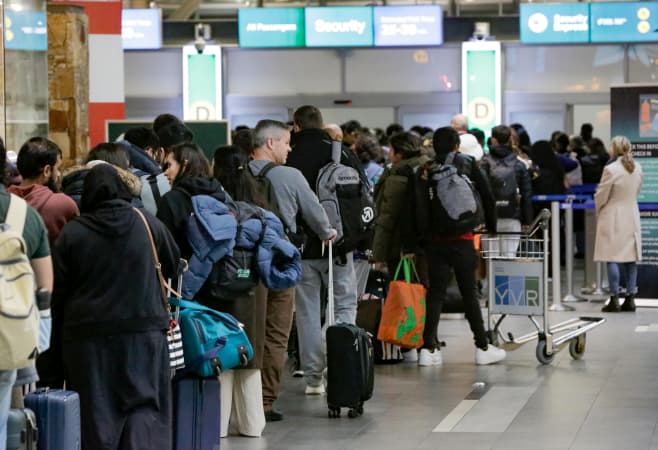 Passengers arriving at a Canadian international airport proceed through immigration, customs screening, and baggage claim after landing
Common Reasons Travelers Are Refused Entry
Even with an approved visa or eTA, entry is never guaranteed.
Common reasons for refusal include:
- Expired or damaged passport
- Inconsistent travel information
- Insufficient proof of funds
- Criminal inadmissibility
- Previous immigration violations
- Failure to declare restricted items
- Inability to explain the purpose of the visit
Proper preparation significantly reduces the risk of problems at the border.
Frequently Asked Questions About Canada Entry Requirements
Do I need a visa to travel to Canada?
It depends on your nationality. Some travelers require a Temporary Resident Visa (TRV), while others can travel with an Electronic Travel Authorization (eTA).
Can I enter Canada with only an eTA?
Yes. If you are from an eTA-eligible country and arrive by air, an approved eTA linked to your passport is generally sufficient for short visits.
Do U.S. citizens need a visa or eTA?
No. U.S. citizens can typically enter Canada for visits of up to six months with a valid passport.
Is travel insurance required for Canada?
Travel insurance is not mandatory for most visitors, but it is strongly recommended due to the high cost of healthcare for non-residents.
Can I be refused entry with an approved visa or eTA?
Yes. Canadian border officers make the final decision on admissibility when you arrive at the port of entry.
Final Thoughts
Understanding the current requirements to enter Canada can help you avoid unnecessary delays and ensure a smoother travel experience. Before departure, verify whether you need a visa or an eTA, confirm that your passport is valid, and prepare supporting documents that demonstrate the purpose of your visit and your ability to support yourself financially.
Whether you're visiting Canada for tourism, business, family reunions, or a short transit stop, being well prepared will make your arrival faster, easier, and far less stressful.