
The Ultimate Guide To Determining The Best Time To Visit Canada
Updated: August 12, 2026
Would you like to take a vacation in Canada, but you think you are not ready to go? There is no need to go anywhere because we are going to present the ultimate guide on finding the best time to visit Canada. Canada is a country with amazing scenery, lively cities full of cultural diversity that a traveler would want to visit. There are so many special regions and variations of seasons, so it is difficult to choose when to go.
Here in this article, we will examine more closely just when it is the best time to travel to Canada, whether it is the undulating coastline in British Columbia or the historic thoroughfares of Quebec City. Thanks to our professional recommendations and tips, we will be able to take the best ever-planned journey and spend our time in Canada.
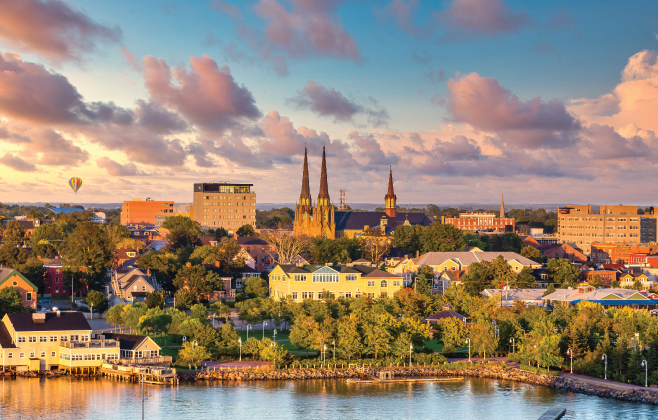
The ultimate guide to determining the best time to visit Canada
When Is The Best Time To Visit Canada?
For most travelers, the best months to visit Canada are June through October. During this period, the weather is generally warm and comfortable across much of the country, making it the ideal season for outdoor activities, sightseeing, wildlife viewing, and road trips. Summer also brings Canada's biggest festivals, while early autumn rewards visitors with spectacular fall foliage and fewer crowds.
If your itinerary focuses on Canada's iconic destinations, the timing becomes even more important:
- June to September is ideal for hiking in Banff National Park, Jasper, and the Canadian Rockies.
- May to September offers pleasant weather for exploring Vancouver and British Columbia.
- June to October is the best time to enjoy Toronto, Niagara Falls, and Ontario's outdoor attractions.
- September to October is the prime season for experiencing Canada's famous autumn colors in Ontario and Quebec.
Travelers with different priorities may prefer other seasons. Winter, from December to March, is perfect for skiing, snowboarding, winter festivals, and Northern Lights tours. Meanwhile, the shoulder seasons of April to May and September to November offer lower travel costs, lighter crowds, and comfortable weather in many regions.
Ultimately, the best time to visit Canada depends on your interests, destination, and budget. The following sections break down the ideal travel seasons for every region, activity, and type of traveler.
Best Time To Visit Canada By Season
Canada is a nation that has a varied climate, being temperate in the south and subarctic and arctic in the north. Therefore, the best time to go to Canada for good weather varies depending on the region you want to explore.
Generally, June, July, and August are the most recommended times of the year to travel to Canada because of good weather. Most parts of Canada possess warm, pleasant weather at this time, and it is the best time to spend time in outdoor events such as hiking, camping, and water sports.
Spring: March To May
Spring is a shoulder season in many parts of Canada, which means fewer tourists and more flexible prices. It is a good time for city breaks, early outdoor travel, and travelers who want a quieter experience.
Weather can still be unpredictable, especially in early spring. Some regions may still have snow, while others begin to warm up and turn green. This makes spring a practical choice, but not always the best season for big outdoor adventures.
Summer: June To August
Summer is the most popular time to visit Canada. The weather is warmest, daylight lasts longer, and this is the best season for national parks, road trips, festivals, beaches, and outdoor activities.
This is also the busiest and most expensive period in many destinations. If you plan to travel in summer, book hotels, flights, and tours early because popular places like Banff, Toronto, Vancouver, and Montreal can fill up quickly.
Fall: September To October
Fall is one of the most beautiful times to visit Canada. The weather becomes cooler and more comfortable, crowds start to thin out, and many regions offer dramatic autumn colors.
This season is especially good for scenic drives, photography, hiking, and city travel. If your main goal is to see fall foliage, plan for late September to mid-October depending on the province and elevation.
Winter: November To March
Winter is the best season for skiing, snowboarding, ice skating, winter festivals, and Northern Lights trips. If you enjoy snowy landscapes and cold-weather activities, Canada can be unforgettable during this time.
That said, winter travel requires preparation. Temperatures can be very low in many parts of the country, and some outdoor attractions may close or operate on limited schedules. Winter is best for travelers who are comfortable with cold weather or want a ski-focused holiday.
Best Time to Visit Canada by Region
1. Canadian Rockies & Western Canada (Alberta & British Columbia)
Best Overall Time: July to August for alpine lakes, hiking, and camping. December to March for world-class skiing at Whistler Blackcomb, Banff Sunshine, and Lake Louise.
Regional Context: Coastal Vancouver and Victoria stay mild and rainy through winter, rarely dropping far below freezing, while interior mountain ranges face sub-zero temperatures and heavy snowfall.
2. Central & Eastern Canada (Ontario & Quebec)
Best Overall Time: May to October. Summer brings warm weather to Toronto, Ottawa, and Montreal.
Regional Context: Early autumn (mid-September to early October) is the prime window for leaf-peeping in Algonquin Provincial Park, the Laurentian Mountains, and Charlevoix.
3. Atlantic Canada (Nova Scotia, New Brunswick, PEI, Newfoundland)
Best Overall Time: Late June to September.
Regional Context: Coastal spring stays cold longer due to ocean currents. Iceberg Alley in Newfoundland peaks during May and June, while whale watching along the Bay of Fundy extends through August and September.
4. Northern Canada & Arctic (Yukon, Northwest Territories, Nunavut)
Best Overall Time: Late August to September for tundra foliage and early Aurora viewing with comfortable temperatures, or November to March for dark night sky Aurora hunting and dog-sledding.

The best time to visit Canada on a budget is from April to May and from September to November
Best Time to Visit Canada's Most Popular Destinations
Banff National Park
Best time: June–September for hiking and sightseeing; December–March for skiing.
Summer offers turquoise lakes and accessible hiking trails, while winter transforms Banff into a world-class ski destination.
Vancouver
Best time: May–September
Thanks to its mild Pacific climate, Vancouver enjoys pleasant weather for most outdoor activities. Spring brings beautiful cherry blossoms, while summer is ideal for beaches, cycling, and nearby mountain adventures.
Toronto
Best time: June–October
Toronto is at its liveliest during summer and early autumn, with outdoor festivals, waterfront events, and easy access to nearby attractions such as Niagara Falls.
Montreal
Best time: June–September
Summer fills the city with international festivals, while autumn offers comfortable temperatures and colorful parks.
Quebec City
Best time: September–October and December
Visit in autumn for picturesque foliage or in winter for snow-covered streets and festive holiday charm.
Niagara Falls
Best time: May–October
Summer provides the warmest weather and full access to boat tours, observation decks, and surrounding attractions.
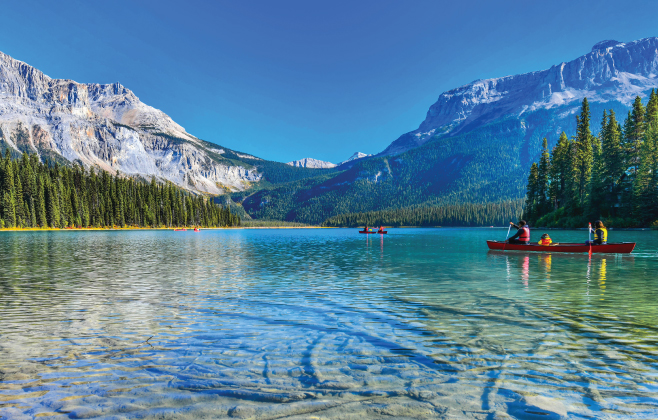
June or September is the best time of year to visit Canada for families and kids
Best Time to Visit Canada for Different Travel Interests
The best time to visit Canada depends on what you want to experience. Whether you're hoping to avoid crowds, travel with your family, enjoy outdoor adventures, attend world-famous festivals, or spot wildlife, choosing the right season can make your trip even more rewarding.
Best Time to Visit Canada for Outdoor Adventures
Canada is one of the world's top destinations for outdoor enthusiasts. The ideal travel season depends on the activities you plan to enjoy.
Skiing and Snowboarding
Canada's ski season typically runs from November to April, with the best snow conditions between late December and March. World-famous resorts such as Whistler Blackcomb, Banff Sunshine, and Lake Louise offer exceptional skiing and snowboarding throughout the winter.
If you're looking for lower prices and fewer crowds, consider visiting in early December, late March, or April, when snow conditions often remain excellent while accommodation costs are lower.
Hiking and Camping
For hiking, camping, and exploring Canada's spectacular national parks, June through September offers the best conditions. Most mountain trails are free of snow, temperatures are comfortable, and long daylight hours provide plenty of time for outdoor adventures.
If you prefer quieter trails, late May and September are excellent alternatives, combining pleasant weather with fewer visitors.
Wildlife Watching
Canada's diverse landscapes provide excellent opportunities to observe wildlife in its natural habitat. The best wildlife viewing season is generally from May to October, when animals are most active, and weather conditions are favorable.
- Whale watching: May to September along both the Atlantic and Pacific coasts.
- Bear watching: Spring and fall, when black bears and grizzly bears are emerging from or preparing for hibernation.
- Moose, elk, and other large mammals: Late spring through early autumn in many national and provincial parks.
Planning your trip around seasonal wildlife activity greatly increases your chances of memorable encounters while exploring Canada's wilderness.
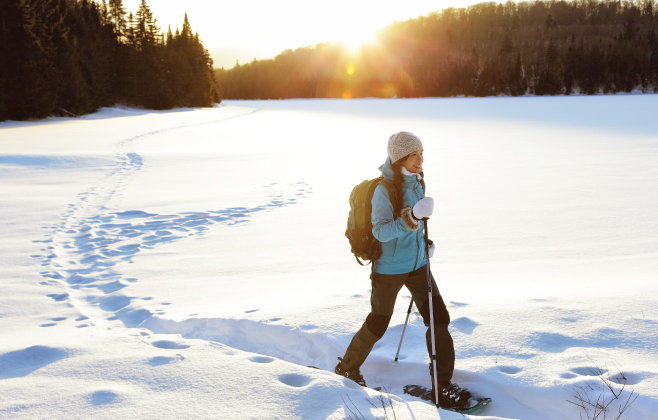
The best time to visit Canada for outdoor adventure depends on the activity you're interested in
Best Time to Visit Canada for Festivals
Canada hosts exciting festivals throughout the year, but summer and early fall feature the country's biggest cultural events. Some of the most popular festivals include:
Montreal International Jazz Festival (late June–early July) – One of the world's largest jazz festivals, attracting internationally renowned artists.
Calgary Stampede (July) – A 10-day celebration of Western heritage featuring rodeos, concerts, parades, and family entertainment.
Toronto International Film Festival (September) – One of the world's premier film festivals, drawing filmmakers and celebrities from around the globe.
Vancouver Cherry Blossom Festival (April) – A beautiful spring celebration featuring thousands of blooming cherry trees and cultural events across the city.
If attending festivals is one of your priorities, plan your trip around these signature events for an unforgettable experience.
No matter when you visit, Canada offers remarkable experiences throughout the year. By matching your travel dates with your interests—whether hiking, skiing, festivals, wildlife, or family adventures—you can make the most of your Canadian vacation.
Read more: Discover The Hidden Gems Of The Festivals In Canada

Winter is the preferred time to visit Canada to experience the best in winter sports and festivals
Best Time to Visit Canada for Families
For families traveling with children, June and September are generally the best months to visit. The weather is warm enough for outdoor activities, national parks, and sightseeing without the peak-season crowds found in July and August.
These months also offer better hotel availability and more comfortable temperatures in many parts of the country. In recent years, parts of Western Canada have also experienced wildfire smoke during midsummer, making early summer or early fall a more reliable choice for family vacations.
Best Time to Visit Canada to Avoid Crowds
Although Canada is the second-largest country in the world, popular attractions can become very busy during the summer months. National parks such as Banff, Jasper, and Waterton Lakes attract millions of visitors from June through August, leading to crowded hiking trails, busy scenic viewpoints, and higher accommodation prices.
For a quieter experience, visit during the shoulder seasons (April–May and September–October). You'll enjoy pleasant weather, fewer tourists, and better deals on flights and hotels while still having access to most attractions.
When To Visit Canada On A Budget
There are numerous opportunities for discovery and exploration in beautiful Canada. However, the trip to Canada could be rather expensive, and if you have a limited budget, it is important to organize your holidays properly. You should keep in mind the fact that July and August are the highest and most expensive seasons to travel. Most national parks are flooded with tourists, hotels are often booked way ahead in their calendars, and most of the activities turn out to be costly.
In Canada, the shoulder season is between April and May or between the months of September and November. This is when you will be in a position to enjoy reduced costs on airfare, hotels, and tourist sites. Moreover, the shoulder season reduces the number of people crowding the area, and this means there is no congestion when viewing things and getting experiences.
Cheapest Time to Visit Canada
The cheapest months to visit Canada are generally April, May, and November, when flights and hotels drop well below summer peak pricing and holiday-season rates. Late October to early December (excluding the week around Christmas) is another reliable low-price window. If your dates are flexible, booking flights for a Tuesday or Wednesday departure in shoulder season typically yields the lowest fares.
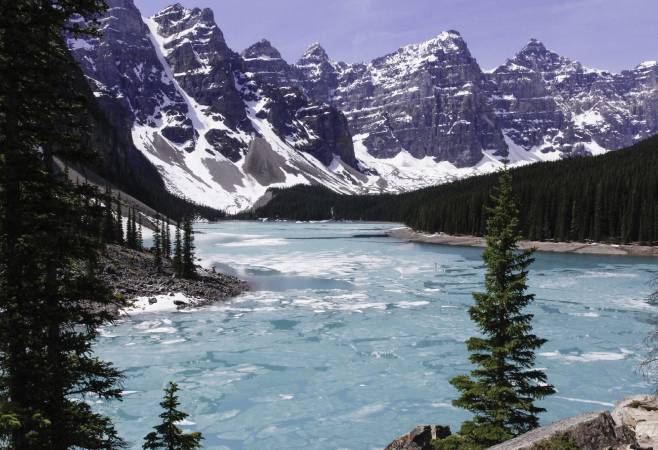
The best time to go on a wildlife holiday to Canada is between May and October
When Is the Worst Time to Visit Canada?
There isn't a single "worst" time, but a few periods come with trade-offs worth planning around: March to April brings "mud season" in the Rockies and rural areas as snow melts, closing some trails; July to August can bring wildfire smoke to British Columbia and Alberta; and late December to early January sees the highest prices of the year due to holiday travel demand.
FAQs About Best Time To Go To Canada
Is it better to visit Canada in summer or winter?
Summer is better for hiking, national parks, and city festivals, while winter is better for skiing, the Northern Lights, and winter carnivals — the right choice depends on which activities matter most to you.
Do I need to avoid wildfire or hurricane season?
British Columbia and Alberta can experience wildfire smoke in July and August, so travelers sensitive to air quality may prefer June or September; Atlantic Canada has a low hurricane risk mainly in September–October, though direct hits are rare.
What is the cheapest month to visit Canada?
November and April are the cheapest months to visit Canada. These shoulder periods sit between the summer holiday rush and the winter ski season, offering lower flight fares and discounted hotel accommodation nationwide.
When can you see the Northern Lights in Canada?
The best time to see the Northern Lights in Canada is from November to March, when night skies are darkest and longest. Northern locations like Yellowknife (Northwest Territories) and Whitehorse (Yukon) offer the highest success rates.
Is summer or fall better for visiting Canada?
Summer offers the warmest weather and fullest access to outdoor activities. Fall provides beautiful scenery, fewer people, and better value. Many experienced travelers prefer early fall.
Is it worth visiting Canada in winter?
Yes—if you enjoy skiing, snowboarding, snow activities, festivals, or the Northern Lights. It is less suitable for general sightseeing or hiking.
When is the best time to see fall colors in Canada?
The best time is usually late September to mid-October, although the exact timing varies by region and elevation.
Which season is best for hiking?
Summer, particularly June through September, provides the safest and most accessible hiking conditions across Canada's national parks.
Final Thoughts
If you're planning a trip to Canada, a visa is required. Don't worry about anything. You can use our visa services through our website at Canada Immigration Services. Our team of experienced professionals can help you obtain the necessary documentation to ensure a smooth entry into Canada. Don't let visa requirements hold you back from experiencing all that Canada has to offer.
Visit our website today to learn more and start planning your dream Canadian vacation.