Canada Travel Advisory for Tourist: What You Need to Know Before You Fly
Updated: April 17, 2026
Travelers are highly encouraged to update themselves on the new Canada travel advisory updates before they plan a trip to Canada. Travel advisories provide important information on safety, health conditions, entry requirements, and potential risks that travelers may encounter during their journey.
You may be visiting Canada as a tourist, for business, or for family, but it is a good idea to be aware of official travel advisories to help you plan better, prevent any surprises, and support a safe and smooth travel experience. As travel conditions may change due to weather, health regulations, or security situations, it is an important responsibility for travelers to stay informed about the latest Canada travel advisories.

Stay informed with the latest Canadian government travel advisories, offering essential updates and safety information for travelers worldwide
What Is a Canada Travel Advisory?
A Canada Travel Advisory is a formal announcement made by the government authorities to inform travelers about safety, security, health, and entry conditions that could have an impact on travel to or within Canada. These advisories are intended to help travelers make informed decisions and prepare appropriately before and during their trip.
Canadian government travel advisories generally cover a wide range of concerns and may include information on public safety, health risks, weather-related risks, transportation inconveniences, and changes in immigration or border policies. They may also provide information on regional risks, emergency contact details, and recommended precautions for travelers.
It should be mentioned that a travel advisory is not a travel ban. Rather, it is a guideline that highlights potential dangers and offers practical tips on how to stay safe. Travel advisories may be revised regularly, depending on the evolving conditions, and hence, travelers are advised to consult the latest advisory information before departure and during their stay in Canada.
Understanding a Canada travel advisory helps travelers plan responsibly, minimize risks, and ensure a safer and more enjoyable trip.
Current Travel Advisory Levels in Canada
The travel advisory system of Canada is based on clearly defined and numbered levels to help travelers comprehend the extent of risk that is involved in visiting particular areas or the country, collectively. These levels are intended to help travelers make informed decisions and prepare appropriately before traveling.
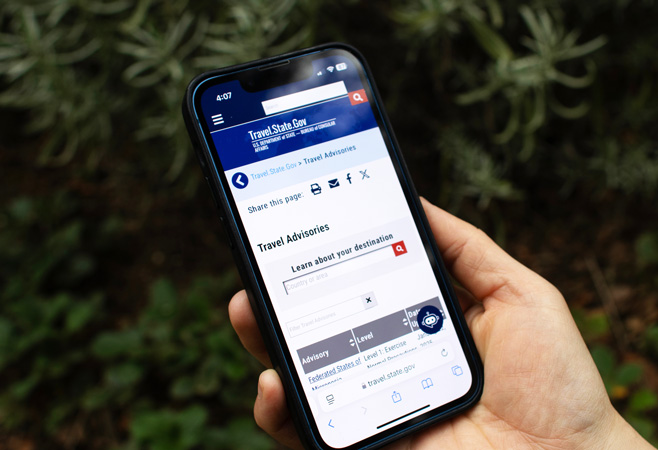
Canada has four different risk levels of travel advisories
- Level 1 - Exercise Normal Precautions
It is the minimum level of travel advisory, and most destinations in Canada are covered by it. This means that you must take precautions that are normal and of common sense that are taken when visiting any destination that is pretty much secure. There are no major risks that have been found that will have an impact on general travel arrangements.
- Level 2- Exercise a High Degree of Caution
Travelers at this level are also advised to be more cautious since there are certain safety or security threats. This can be in places where there are elevated crime rates above normal, local protests, or any other factors that may impact the security of travelers. Visitors are recommended to remain updated and heed local directions.
- Level 3- Avoid Non-Essential Travel
Level 3 advisories are those that carry great risks and are likely to be of serious risk to personal safety or well-being. Travelers are advised to avoid non-essential travel to affected areas. This level can be issued where there is extreme weather, civil unrest, or any other threats that could pose danger to the visitors.
- Level 4- Avoid All Travel
This is the maximum level of travel advisory, which implies that a given region is not safe to travel. Extreme health emergencies, major natural disasters, and major security risks are only a few examples of threats that Canada may react to by issuing Level 4 travel advisories. Travelers are strongly advised to avoid all travel to these areas under any circumstances.
Safety and Security Considerations for Travelers in Canada
Travelers to Canada should be aware of important safety and security considerations to help ensure a smooth and well-prepared trip. Even though Canada is considered to be a safe place to visit, it is always important that the traveler be aware of potential risks and take appropriate precautions. The key safety and security considerations are listed below in a simple and numbered format.

Canada is generally a safe destination for travelers
1. Personal Safety and Crime Awareness
Crime rates in Canada are generally lower than in many other countries, and petty crimes like pick-pocketing, bag snatching, and stealing may happen, particularly in large cities and tourist destinations. Travelers should remain cautious in crowded areas, secure their personal belongings, and avoid displaying valuables. It is also advisable to remain in crowded and well-lit places, especially during the night.
2. Natural Hazards and Weather Conditions
Canada experiences diverse and even extreme weather conditions, which include heavy snow, ice storms, wildfires, flooding, and extreme cold during winter. Travelers are advised to monitor local weather forecasts, pay attention to official recommendations, and pack proper clothes and equipment. The road conditions in winter may be risky, and thus, one should exercise caution when driving.
3. Transportation and Road Safety
Road safety conditions in Canada may vary by region and season, even though the transportation system is well-developed. Traffic laws in Canada are strictly enforced, and penalties for violations can be severe. Tourists need to learn local regulations on driving, have authentic insurance, and be careful enough when using the means of transportation, especially when it is late.
4. Health and Emergency Services
Canada has a good healthcare system, but medical care may be very costly to non-Canadians. It is highly recommended that travelers purchase extensive travel insurance that includes medical emergency, hospitalization, and evacuation. When there is an emergency, dial 911 and reach any police, fire, and ambulance services in Canada.
5. Public Demonstrations and Local Laws
There are occasional peaceful protests and masses in the large cities. Although these events are typically legal, they might interfere with transportation or become out of control. Travellers must avoid big crowds, obey the local laws, and follow the instructions given by the local authorities.
6. Indigenous and Cultural Sensitivity
Travelers should respect Indigenous communities and local cultural standards when visiting Canada. Certain areas may have specific regulations regarding access, photography, or land use. The tourists are expected to obey the guidelines set and respect the local traditions and customs.
Travelers can greatly minimize risks by staying aware and taking reasonable precautions during their visit to Canada, and have a safe and secure time.
Health and Medical Advisory Information
To stay informed about current health and medical considerations, it is necessary to consult the latest Canada foreign travel advisory before traveling to Canada. Despite the fact that Canada provides high-quality healthcare, the medical expenses of foreign visitors may be high, and medical accessibility will depend on the region and season. Understanding health advisories, travel medical, and emergency services will make the traveler better prepared and lower any health risks they might face during their visit.

When flying, travellers are urged to leave plenty of time for security, customs, and immigration checkpoints
Healthcare Standards in Canada
Canada boasts a good healthcare system, and there are modern hospitals, clinics, and well-trained medical professionals in the country. Major cities such as Toronto, Vancouver, and Montreal offer excellent medical services that meet international standards. In most cities and tourist destinations, travelers are likely to find good healthcare services.
Medical Costs and Travel Insurance
Though the standard of healthcare services in Canada is high, medical treatment is very costly to foreign visitors. The Canadian system of public health care does not extend to tourists or temporary residents. For this reason, travelers are strongly advised to purchase comprehensive travel medical insurance before traveling. Emergency treatment, hospitalization, and medical evacuation should be covered by insurance in case of necessity.
Vaccinations and Health Requirements
Canada does not have any mandatory vaccination requirements for travelers. However, travelers must make sure they have their regular vaccinations before leaving. This will prevent the occurrence of common diseases and will make travel safer, particularly when it involves a long stay.
Seasonal and Environmental Health Risks
The health risks in Canada may differ according to the season. The very low temperatures, snow, and ice can cause an increased risk of hypothermia, frostbite, and accidents during winter. During a summer period, the travelers are advised to keep their bodies hydrated and avoid the sun's rays, particularly during outdoor activities.
Medical Access in Remote Areas
Access to medical facilities may be restricted in rural or remote areas, including northern territories and national parks. Travelers visiting these areas should plan carefully, carry necessary medications, and consider additional insurance coverage for emergency transportation.
Emergency Medical Assistance
Canada has a reliable emergency response system. Travelers can also phone 911 in order to use ambulance services, police, or fire in any part of the country in case of a medical emergency.
Canada Entry Requirements and Border Measures: What Travelers Should Know
Passport and Travel Document Requirements
Anyone entering Canada is required to carry a valid passport or travel document given by an authority that is considered to be recognized.Although Canada is not that strict on the issue of passport expiry beyond the period of staying, it is highly encouraged that the traveler make sure the passport is valid throughout his or her stay in the country.Moreover, certain airlines might demand additional passport expiry days than the scheduled date on which a traveler intends to travel, and hence, before traveling, it is advisable to confirm the airline requirements.
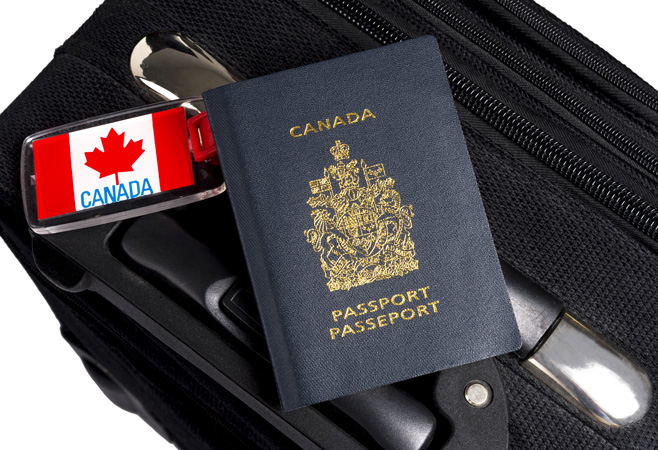
If you're from a visa-required country, you need at least 1 free page in your passport or travel document
Visa and Electronic Travel Authorization (eTA)
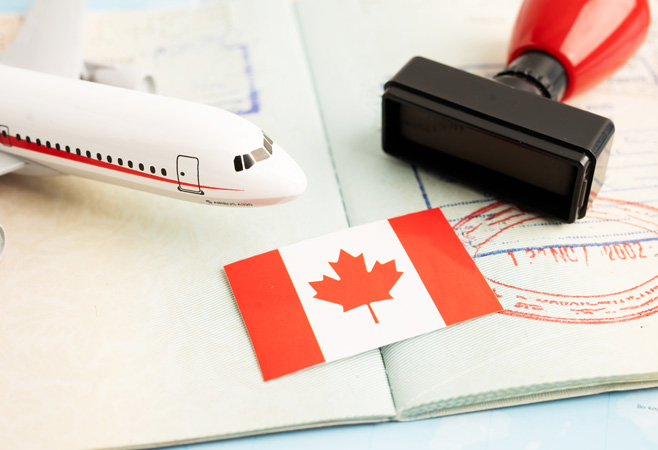
Depending on their mode of travel and nationality, foreigners can be allowed to travel to Canada with a visa or an Electronic Travel Authorization (eTA).Visa-exempt air travelers require an approved eTA to board the flight.Travelers are strongly advised to do this long before they travel and to make sure that their traveling arrangements, including tourism, business, or transit, are not in contravention of the provisions of their legal stay in Canada.
Role of the Canada Border Services Agency (CBSA)
The Canada Border Services Agency (CBSA) examines all travelers once they have arrived in Canada.The officers of the border services have the right to check the travel documents and determine the purpose of the travel, and check whether a traveler has all the requirements to enter the country.Having a valid visa or eTA does not imply that an individual will be allowed entry, as ultimately, it is the responsibility of the CBSA officers at the port of entry.
Customs Declarations and Prohibited Items
Travelers have a responsibility to properly state all goods that they are carrying into Canada, and such goods include food, alcohol, tobacco products, and currency amounts that are above the required declaration amount.Others are restricted or banned, like particular agricultural goods, firearms, and undeclared commercial products.Under-declaration or wrong declaration can lead to penalties, goods seizure, or refusal of entry.
Health Screening and Border Measures
In cases where the health and safety of people are at risk, Canada can implement health-related border actions.Health-related questions can be asked, or certain entry conditions can be asked of the travelers as they enter.Since health guidelines are relative to the prevailing health conditions in a population, the government is recommended to keep a closer eye on the official government statements before traveling.
Length of Stay and Entry Conditions
Most visitors to Canada are authorized to stay for up to six months, unless a shorter period is determined by a border services officer. Travelers must comply with the conditions of their stay, such as avoiding working and studying without adequate permission.Exceeding or breaking entry terms can have a negative impact on subsequent travels into Canada.
Preparing for a Smooth Entry
In order to reduce the chances of delays or even being refused at the border, the traveler must also have supporting documentation that includes accommodation proof, return or onward travel tickets, and sufficient funds.Appropriate planning can be used to prove that one has real traveling plans and meets Canadian entry requirements.
Understanding Transportation Issues and Travel Disruptions in Canada
In general, Canada is a safe place to travel, but the situation when it comes to traveling may differ depending on the province, territory, and locality. Regional travel advisories are issued to inform travelers of location-specific risks, seasonal hazards, or temporary conditions that may affect travel within Canada.

A majority of Canadians are concerned with issues related to driving, including the cost of fuel, road conditions, and traffic safety
Remote and Northern Regions
Travelers visiting remote or northern regions of Canada may experience limited access to transportation, healthcare facilities, and emergency services. These are also the areas where the distances between communities are usually long, and there is little infrastructure. Before traveling to these areas, visitors should prepare and take the necessary supplies and have a good communication facility.
Weather-Related Regional Risks
The climate of Canada may pose a problem for regional travel during the year. During winter, there can be extreme cold temperatures, snowstorms, and frozen roads, and during warmer seasons, there can be wildfires, floods, or heavy storms. Conditions like this can lead to temporary travel warnings or transport interruptions in the affected areas.
Urban Areas and Major Cities
Big cities and urban areas are usually well-established in terms of infrastructure, health care facilities, and transportation. Nevertheless, tourists must also keep an eye on localized warnings concerning events in the community, constructions, protests, or ad hoc safety restrictions that might hinder movements in certain localities.
National Parks and Wilderness Areas
There are special concerns about traveling in national parks and wilderness areas. Among the risks, there might be wildlife encounters, changing weather patterns, rough topography, and poor cell phone signal. When visiting these regions, travelers are encouraged to abide by the rules in these parks, use the marked trails, and report to others about their visit to help them know where to go.
Indigenous and Protected Lands
Northern parts of Canada have been set aside as Indigenous territories or reserve lands. These areas can either be closed or have certain local laws. When visiting such places, tourists must not violate local regulations, cultural customs, or visiting limitations.
Staying Informed During Travel
The weather, natural events, or local circumstances may alter regional travel advisories quickly. Government and local authorities updates are also advised to be followed by travelers before and during their journey to Canada to guarantee a secure and informed journey experience throughout the whole nation.
Tips for Staying Safe While Traveling in Canada
Traveling in Canada is generally a safe and positive experience, and some simple measures can be taken to make the journey go as smoothly as possible and without any concern. The following are some of the most workable tips to remain safe in case of traveling in Canada, in an easy-to-understand, numbered format.

Leave yourself a bit more time for trip planning, as staying on top of reopenings, new safety protocols, and requirements will make for a smoother trip
1. Stay Aware of Your Surroundings
Be cautious of crowded places like transport hubs, tourist spots, and urban centres. Petty crimes such as pickpocketing may occur, particularly in crowded areas. Carry personal items with you and do not leave them in the open.
2. Prepare for Weather Conditions
The weather in Canada is subject to change, and it depends on the location and the season. Look at the local weather conditions frequently and wear accordingly, particularly in winter when the cold, snow, and ice may present a risk. Give additional time for traveling during harsh weather.
3. Follow Local Laws and Regulations
Canada has well-enforced laws and regulations. Get acquainted with local regulations such as traffic regulations, drinking and smoking laws. Always carry valid identification and comply with instructions from authorities.
4. Reliable transportation should be used
Use licensed cabs or a reputable ride-sharing service, or well-maintained transportation. When driving, make sure that your car is insured and capable of withstanding conditions in your area, especially during winter or when driving to remote places.
5. Protect Your Health
Also, take along any medicines that are required, and also get a full-fledged travel insurance which covers emergency treatment. Canada could be very expensive in terms of healthcare for non-residents. 911 is the number to call in the event of an emergency.
6. Be Cautious in Remote Areas
There could be limited services in Canada in vast rural and wilderness regions. Let a person know where you are going, bring the necessary equipment, and adhere to safety precautions when walking or hiking in nature.
7. Stay Informed
Check local news and official travel warnings to get information on disruptions to safety, weather, or transport. Being updated will enable you to make adjustments easily and save yourself risks.
Through these precautionary measures, travellers will be guaranteed a safe and unforgettable stay as they explore Canada.
Conclusion
Finally, it is imperative to learn about the Canada Travel Advisory before travelling to Canada.Travel advisories help travelers understand the prevailing safety issues, entry regulations, and safety risks so that they can be ready to vacate in a responsible manner, and they can also avoid unwarranted complications.
Regardless of the reason why you are visiting Canada, whether it is in the tourism sector, business, or family-related, it is always a good idea to ensure that your travel experience is safe and smooth by updating yourself on any advisory information regularly.Provided that you are eligible to fly to Canada, and you want to apply to be accepted under the Electronic Travel Authorization (eTA), you may do so with the help of the convenient Canada Immigration Services site, which will guide and support the process of the application.A successful trip to Canada depends on proper preparation, awareness, and adherence to the travel advisories.