Canadian Embassies and Consulates: Roles, Functions, and What Visa Applicants Should Know
Updated: April 17, 2026
The process of applying for a Canadian visa can be confusing, particularly when many applicants are uncertain whether they need to visit a Canadian embassy or consulate in person. Compared to the traditional visa system, Canada implements a centralized, to a large extent online application process, which often causes confusion about the real purpose of embassies and consulates. It is important to know where to submit your application and which authority makes the visa decision to save time and avoid unnecessary and costly mistakes.
This guide highlights the role that Canadian embassies and Consulates play in the process of applying for a Canadian visa, and how applicants can follow the correct procedures to improve their chances of a successful application.

Find contact information for Canadian embassies, consulates, and trade commissioners as well as emergency consular assistance
Overview of Canada Embassies and Consulates
Canada Embassies and Consulates are diplomatic missions and official representatives of the Government of Canada in foreign countries.Their main duties are the management of diplomatic affairs, assisting Canadian citizens in foreign countries, and administering the consular functions such as passports, citizenship issues, and emergency services.
These offices are often associated with visa matters, but they do not normally receive or process routine Canada visa applications.Instead, most visa decisions are made by Immigration, Refugees and Citizenship Canada (IRCC) through centralized and regional visa offices.The real role of the Canada Embassies and Consulates can be known to enable visa applicants to be aware of the right direction of application at the beginning.
Difference Between Canada Embassy, Consulate, and VAC for Visa Applicants
Many applicants do not know the functions of the Canada Embassy, Canada Consulate, and Visa Application Centre (VAC) when applying for a Canadian visa.Though these organizations are linked to the visa process, they carry out different and clearly defined roles.Understanding these distinctions helps applicants know where to submit documents, provide biometrics, and interact with the appropriate authorities.
1. Canada Embassy: Diplomatic Mission and IRCC Operations Location
The official diplomatic mission of the Government of Canada in a foreign country is called a Canada Embassy, and is usually located in the host country’s capital city.
As a visa applicant, one must appreciate that the embassies are not application intake centers and therefore, do not receive visa applications directly from applicants.Although the visa officers of the Immigration, Refugees and Citizenship Canada (IRCC) can be physically located within an embassy, visa decisions are made by IRCC, not the institution itself.
Embassies primarily:
- Diplomatically represent Canada.
- Administer and provide logistical support for IRCC activities.
- Hosting IRCC visa officers who assess visa applications.
Embassies are not involved in providing personalized guidance on visa applications, collecting biometrics, receiving application documents, or updating applicants on individual case status.
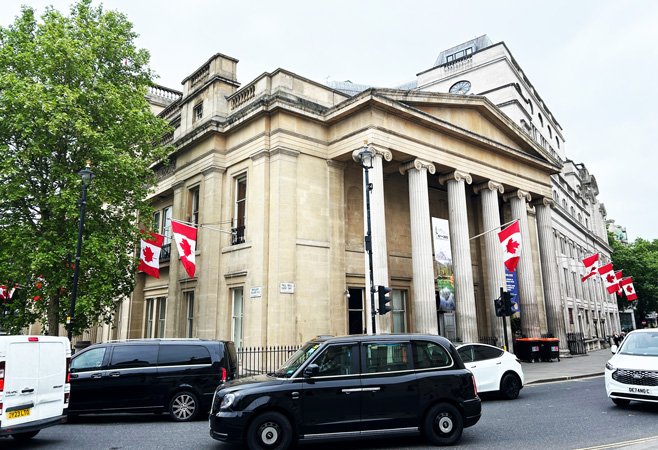
Trip registration services provided by Canadian embassies are intended for Canadian citizens traveling abroad and are not related to the visa application process
2. Canada Consulate: Regional Diplomatic and Consular Support
A Canadian consulate operates under the authority of the Canadian embassy and is usually located in major cities outside the capital.
Consulates, in respect of visa applications:
- Give services to Canadian citizens (e.g., passport services or emergency aid)
- Consulates generally do not collect biometrics or passports from visa applicants unless specifically instructed by IRCC in exceptional cases.
- Do not interfere with or hasten visa approval.
Some of the consulates might have the IRCC staff who can do internal processing, but will not interact directly with the visa applicants unless expressly permitted by IRCC.

A Consulate General of Canada is a diplomatic mission representing the Canadian government in a major city outside of the host country's capital
3. Visa Application Centre (VAC): Applicant-Facing Administrative Service
A Visa Application Centre (VAC) refers to a commercial organization that has been delegated by the Government of Canada to manage the administrative side of a visa.
VACs are usually the only physical point of contact with visa applicants, where they are in charge of:
- Gathering biometric (fingerprints, photos)
- Accepting passports to receive visa counterfoils (where necessary)
- Sending documents and biometrics information safely to IRCC.
- Returning passports and documents once a decision has been made by IRCC.
It is crucial to mention that VACs do not evaluate applications, make decisions, or provide immigration advice.IRCC makes all decisions regarding eligibility and admissibility.
Types of Canada Visas Processed Through Embassies and Consulates
Although Canadian embassies and consulates do not receive visa applications directly from applicants, they can support or play a minor role in some types of visa applications, provided they are requested by Immigration, Refugees and Citizenship Canada (IRCC).Their involvement is typically limited to interviews, identity verification, or other case-specific procedures directed by IRCC.
Visitor Visa (Temporary Resident Visa – TRV):
In rare instances, IRCC may request applicants to attend an interview or undergo additional verification at a Canadian embassy or consulate.
Study Permit
Embassy or consulate interviews may be required in very limited circumstances, typically related to the applicant’s study purpose, documentation concerns, or background issues.
Work Permit
Some work permit applications might need an extra verification or an interview that can be conducted in foreign visa offices, which may be located at or associated with Canadian embassies, as directed by IRCC.
Permanent Residence (PR)
Certain special or complicated permanent residence applications might require interviews or additional verifications that are done at overseas visa offices that are connected to Canadian embassies, which may be based at Canadian embassies.
Family Sponsorship and Humanitarian Cases
Family sponsorship applications and cases based on humanitarian or compassionate considerations are more likely to engage Canada Embassies and Consulates, in which in-person interviews or verification could be part of the IRCC assessment process.
Where to Apply: Canada Embassies and Consulates Worldwide
Canada has international embassies and consulates in various parts of the world.It is, however, important to ensure that the visa applicants appreciate the fact that the Canadian embassies and consulates are not usually places where visa applications are submitted or accepted from the public.Instead, all visa applications are assessed by Immigration, Refugees and Citizenship Canada (IRCC) through centralized and regional visa offices.
1. Canada Embassies and Consulates in Asia
Canada maintains a broad diplomatic presence across Asia, including countries such as Vietnam, India, the Philippines, China, and Japan.The main agenda of these diplomatic missions is on diplomatic relations, consular services for Canadian citizens, and liaison with local authorities.
As an example, Canada has an embassy in Hanoi (Vietnam), an embassy and several consulates in India, and consulates in major Asian cities like Shanghai, Guangzhou, and Tokyo.Although certain of these locations could contain or accommodate IRCC visa officers in the conduct of internal departmental operations, they do not take visa applications or supporting documents from applicants.
Visa applications from Asian countries are generally submitted online through IRCC’s official portal.The biometrics are gathered at approved Visa Application Centres (VACs), and the applications are processed in the regional IRCC visa offices, which can be in a different country, such as Singapore, New Delhi, or Manila.In rare circumstances, IRCC may direct applicants to attend an interview at an embassy or consulate.

The embassy can assist Canadian citizens with passport services, birth registration, and consular assistance, but it does not accept or process visa applications from foreign nationals
2. Canada Embassies and Consulates in Europe
Canada has its embassies and consulates in major countries in Europe, such as the United Kingdom, France, Germany, Turkey, and Russia.These missions assist in the diplomatic involvement of Canada and offer consular services, but they do not deal directly with visa applicants.
The majority of Europe-based visa applicants make their submissions online and are evaluated by the IRCC visa offices that cover the area.Applicants must provide biometrics at designated Visa Application Centres (VACs).In general, it is not possible to directly file visa applications in European embassies or consulates in Canada.The interviews that are necessary are only carried out at the designated locations by IRCC.
3. Canada Embassies and Consulates in Africa
The diplomatic representation of Canada in Africa consists of embassies and consulates in Nigeria, Kenya, South Africa, and Morocco.These offices are significant in diplomatic relations and consular support, but not the key points of submitting the visa application.
Applications from visa applicants of African origin are normally evaluated by regional visa offices of the IRCC, which may not necessarily be within the home country of the applicant.Applicants need to apply through the internet and undergo biometrics in licensed VACs.In certain cases, especially when family reunification, refugee, or humanitarian processes are applied, IRCC might demand interviews or other verification of the applicants to be facilitated by the help of embassies or consulates.

Canada's presence abroad includes embassies, consulates, high commissions, and trade offices
4. Canada Embassies and Consulates in the Americas
In the Americas, Canada has consulates and embassies in the United States, Mexico, Brazil, Colombia, and other North and South American nations.Even though such offices are quite well established, they do not normally deal with routine visa submission by applicants.
In the Americas, applicants use the same IRCC procedure, where they file their applications online and do the biometrics in VACs.An embassy or consulate interview is only done in exceptional cases and at the request of IRCC.
Important Note for Visa Applicants
In the majority of countries, Canadian visa applications are not received or accepted at the local embassies or consulates.Rather, applications are evaluated by IRCC via centralized and local visa offices, and applicants interact mostly via the online system of IRCC and authorized VACs.Understanding this structure helps applicants not to be confused and makes them take the correct and formal Canadian visa application procedure.
How to Apply for a Canada Visa Through an Embassy or Consulate
Many applicants assume that they need to apply for a Canadian visa at a Canadian embassy or consulate.In fact, Canada operates a centralized and largely online visa system administered by Immigration, Refugees and Citizenship Canada (IRCC).Embassies and consulates are involved only in limited situations, such as interviews or additional verification, and only when specifically requested by IRCC.
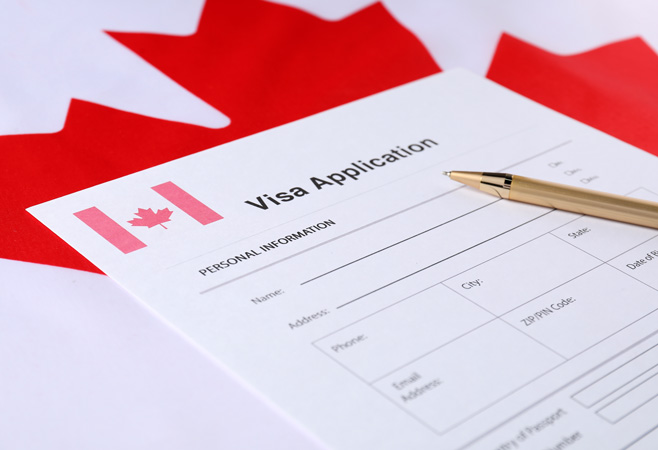
Here is the step-by-step guide to applying through the embassy or consulate
Step 1: Determine Your Visa Type and Country of Application
The first step that the applicants need to undertake is to determine the correct visa type to apply for, in case of a visitor visa, study permit, work permit, or permanent residence pathway.The country of application is also significant as it defines the IRCC visa office in charge, as well as the place where the biometrics will be taken.
Step 2: Submit Your Application Online Through IRCC
The majority of Canadian visa applications are submitted online through the IRCC portal.The applications have to be filled in with the correct forms, supporting documents uploaded, and the required fees paid.Direct visa applications are generally not accepted at Canadian embassies or consulates.
Step 3: Provide Biometrics at a Visa Application Centre (VAC)
Then, applicants will be given biometric instructions after submission of the application.Biometrics, including fingerprints and photographs, must be provided in person at an authorized Visa Application Centre (VAC), not at an embassy or consulate.
Step 4: Track the Application and Receive a Decision
IRCC examines the application and can require the submission of more documents.Applicants can monitor the status of their application online.If the application is approved, IRCC will provide instructions for passport submission or visa issuance, if applicable.
Role of IRCC and Overseas Visa Offices
Immigration, Refugees and Citizenship Canada (IRCC)
Immigration, Refugees and Citizenship Canada (IRCC) is the federal department in charge of overseeing the immigration and visa system in Canada.IRCC is the sole decision-maker for all Canada visa applications, such as visitor visa, study permit, work permit, and permanent residence applications.IRCC is the one who does all assessments, approvals, or refusals and not Canada Embassies or Consulates.
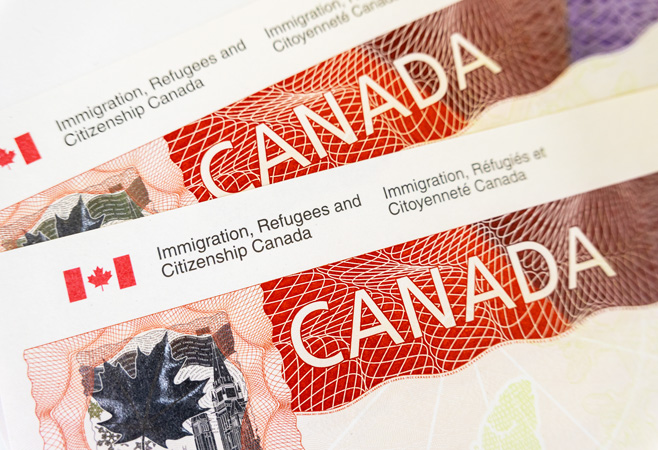
Some IRCC overseas visa offices are co-located within Canadian embassies, high commissions, or consulates, but they operate separately from public-facing diplomatic and consular services
Coordination Between IRCC and Canada Embassies and Consulates
IRCC operates in liaison with Canada Embassies and Consulates.Although the processing of visa applications does not take place in the embassies and consulates, these offices may assist IRCC through the provision of interviews, identification, document verification, and other processes that are specific to individual cases when formally requested.This kind of cooperation is typically done in extraordinary or complicated cases, such as family sponsorship, humanitarian, or security-related cases.
Role of Overseas Visa Offices
IRCC has a system of foreign visa offices that process the visa applications according to the geographical areas instead of the nationalities.These are offices frequently found in or related to Canadian embassies or consulates, but which operate distinctly from those of the public-facing diplomatic services.
As an illustration, the visa applications within the southeast part of Asia can be handled by the Singapore visa office, applications in South Asia at New Delhi, and some of the European or international ones at London.These offices are not the ones where the applicants submit their applications, and most of the time, they communicate with applicants primarily through IRCC’s online systems rather than through in-person contact.
Important Notes When Contacting Canada Embassies and Consulates
In addressing the issues of the visa process with the Canada Embassies and Consulates, it is essential to observe a number of significant restrictions and rules.
Embassies do not accept routine paper visa applications
Paper visa applications are not processed at Canada embassies and consulates.The majority of visa applications made to Canada need to be submitted online to Immigration, Refugees and Citizenship Canada (IRCC), with supporting documents being done digitally or via approved Visa Application Centres (VACs).
No personalized visa advice is provided
Personalized or case-specific advice on visa applications is not provided by the Canada embassies and consulates.They are not able to examine individual documents, evaluate eligibility, and give advice on approval opportunities or processing schedules.
Use Official Communication channels only
The applicants are asked to address Canadian authorities by means of official and legitimate sources, such as the websites of the Government of Canada and the IRCC webform, where questions related to cases are to be raised.With such channels, there is proper information and a safe channel.
Warning against fraud and impersonation
The applicants are also advised to beware of fraudsters who purport to be representing Canada Embassies or Consulates.No embassy or consulate will be able to ensure approval of a visa, and some special influence of visa.Applicants should rely only on official IRCC communications and avoid fraudulent claims or guarantees of visa approval.
How to check the Canada embassies & consulates' location
The easiest and surest method of seeking the right address of the Canada embassy is by accessing the official embassy section of the Canada Immigration Services site.This part gives current data about the place and territory of Canadian embassies and consulates, as well as formal contacts to ensure that the applicants receive reliable and verified sources.
Applying for a Canada eTA: How to Avoid Delays and Extra Expenses
Understand What a Canada eTA Is
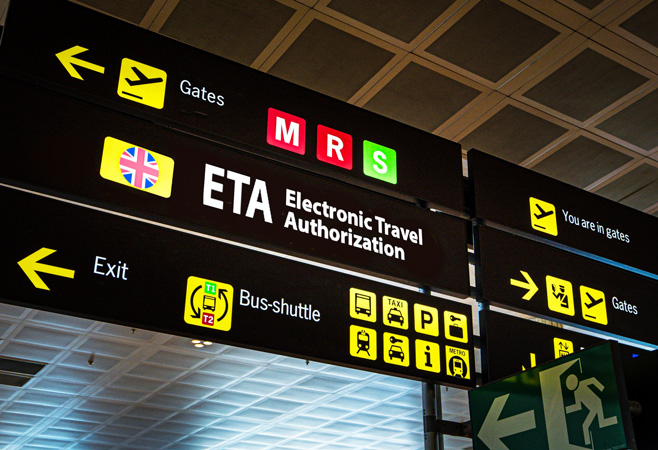
Canada eTA (Electronic Travel Authorization) is an electronic travel authorization that is a mandatory visa-exempt travelers on a flight to Canada.It is not a visa and can be granted wholly through the internet by Immigration, Refugees and Citizenship Canada (IRCC).The processing of Canadian eTAs is not done by the Canadian embassies or consulates, and there is no need to book an appointment and submit any documents in person.
Apply Through the Official Online System
Applying for a Canada eTA is only possible through the official IRCC online application system.Applications are usually processed in a few minutes, though there are those that can take more time depending on the checks that they are subjected to.Using the official site will mean that you only pay the official government charge of 7 CAD and can avoid any superfluous service fee that third-party websites impose.
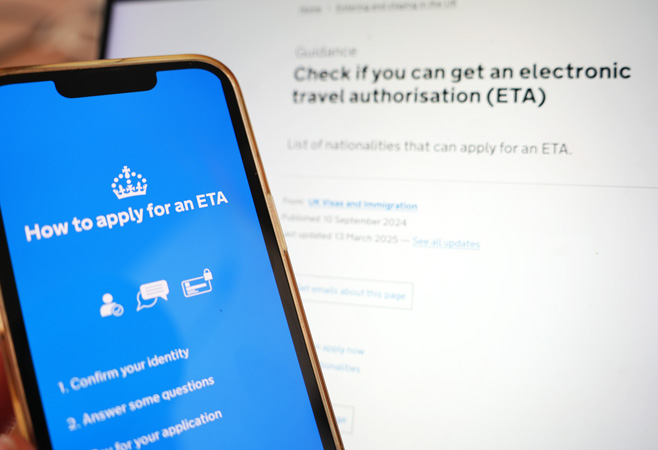
To apply, you must have a valid passport from a visa-exempt country, a valid credit card, and an email address
Avoid Common Causes of Delays
Sometimes the issue of delay in eTA approval is caused by the misinformation on the passport, incomplete forms, or involvement of unreliable third-party services.Since the eTA is connected electronically to your passport, any information should be absolutely accurate.Applying via the official platform will significantly diminish the uncertainty of the application mistaking, wasting time, and incurring unnecessary expenses.
Save Money by Applying Correctly the First Time
Canada eTA does not require one to visit a Canadian embassy or consulate since it is a fully digital document.Applying online eliminates the need for travel, appointments, and additional service fees.Direct applications to the IRCC are the quickest, easiest, and cheapest avenue of getting permission to travel to Canada for eligible travelers.
Conclusion
The Canada eTA is a simplified electronic travel authorization for visa-exempt travelers flying to Canada.It is not a Canada visa and does not touch on embassies, consulates, or Visa Application Centres (VACs).Knowing how the eTA system functions and making their applications using the official IRCC online system, travelers will save time, spend less on unneeded costs, and have a hassle-free traveling process.When the right procedure is followed at the very beginning, it is more reassuring and enables qualified visitors to plan their visit to Canada without any doubts.