How to Plan the Perfect Trip: A Complete Gros Morne National Park Travel Guide
Updated: January 14, 2026
Gros Morne National Park is considered one of Canada’s most remarkable natural treasures, offering visitors a rare chance to experience landscapes shaped by ancient geology, dramatic mountains, and untouched wilderness. This UNESCO World Heritage Site is wild and rugged, known for its soaring fjords, glacier-carved valleys, vibrant coastal communities, and the iconic Tablelands—one of the rare places on Earth where the planet’s mantle is exposed
You can be a serious hiker or a wildlife lover, or a person who just wants to enjoy the scenery, and Gros Morne will not disappoint you in any season. Whether it is boating on Western Brook Pond or winding scenic coastal trails, the park is a combination of adventure and calmness that few places can offer. This Gros Morne National Park travel guide will help you plan your visit with essential tips on when to go, how to get there, and what to see and do.
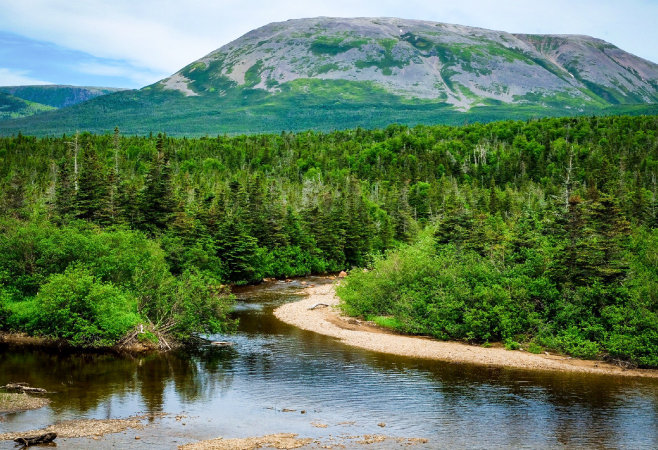
Gros Morne National Park offers unique landscapes, hiking, fjords, waterfalls, and cultural heritage, including festivals and music.
Where is Gros Morne National Park located in Canada?
Gros Morne National Park is situated in the western part of Newfoundland, in the southern part of the Great Northern Peninsula. It’s roughly 700 km from St. John’s (about 8–9 hours by car, depending on your exact destination in the park). The Park, occupying over 1,800 square kilometers of fjords, cliffs, beaches, forests, and the well-known Tablelands, makes it one of the most diverse natural landscapes in Canada. The nearest large service town is Deer Lake, where the main airport of the area is located and the main access point for visitors. Surrounded by picturesque coastal communities, Gros Morne has easy access to inland wilderness, as well as breathtaking oceanic scenery.
Best Time to Visit Gros Morne National Park
The best time to visit Gros Morne depends on the type of experience you’re looking for, as each season highlights a different side of Newfoundland’s rugged landscape.
The most popular is the summer (June to August), which is characterized by mild weather and long daylight.
Summer (June to August) offers mild weather, long daylight hours, and access to most major hiking trails. This is also the ideal season for Western Brook Pond boat tours and for attempting challenging hikes like Gros Morne Mountain, although the mountain trail may open later depending on snowmelt.
Autumn (September to early October) is the time of cooler weather and the splendor of fall colors, which have changed the fjords and forests. The number of visitors is reduced drastically, which provides more peaceful conditions to explore. Nevertheless, there are certain seasonal tours and amenities that start to cut their working hours down in October.
Spring (May to early June) is also the time of new wildflowers, quiet trails, yet the still snow and muddy weather may restrict the use of some routes. It is a shoulder season for those who like fewer people.
During winter (November to April), Gros Morne becomes a snowy place that is conducive to snowshoeing, cross-country skiing, and an extreme backcountry experience. Most services go out of business at this time of the year, but the winter scene is breathtaking and peaceful.
All in all, the weather during summer and early fall is the most comfortable and accessible to the majority of travelers.
Fall, specifically September and October, is the best time to visit Gros Morne due to the vibrant colors and quieter atmosphere
Your Step-by-Step Guide on How to Get to Gros Morne National Park
Getting to Gros Morne National Park is a crucial part of planning your trip, and becoming familiar with the means of transportation will make the trip more worthwhile. The park is on the west coast of Newfoundland, and it may be remote, but it is reachable by use of flights, ferries, and beautiful road networks. This part of the Gros Morne National Park travel guide will take you through each alternative to ensure you decide on the most appropriate method to be used to reach the destination comfortably and efficiently.
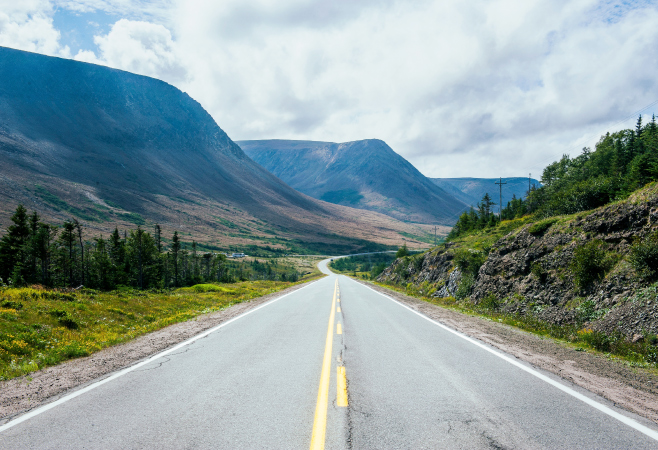
You can reach Gros Morne National Park by flying into Deer Lake (YDF), arriving by ferry in Newfoundland, and then driving to communities like Rocky Harbour, Norris Point, or Woody Point
1. Flying to Newfoundland
The majority of the visitors come by air to the Deer Lake Regional Airport (YDF), the nearest major airport to Gros Morne National Park. Deer Lake offers regular flights to cities such as Toronto, Montreal, and Halifax, especially during peak season. From Deer Lake Regional Airport (YDF), it’s about 1 hour by car to Rocky Harbour (and slightly longer to Norris Point). Reaching Woody Point takes longer—typically 75–90 minutes—because the drive loops around Bonne Bay. There are car rentals at Deer Lake Airport, and it is highly advisable to make a reservation in advance, especially during the summer season.
Travelers also have a choice of flying into St. John’s International Airport (YYT) on the east coast of Newfoundland. The one that runs between St. Johns and Gros Morne is, however, about 7-8 hours, thus it only makes sense when you are planning to tour the entire eastern Newfoundland, before moving westwards.
2. Traveling by Ferry
To people who are not in mainland Canada, Marine Atlantic serves ferries between North Sydney, Nova Scotia, and two Newfoundland destinations: Port aux Basques and Argentia.
- The Port aux Basques ferry route operates year-round and is the most convenient option for reaching Gros Morne. The journey over the ferry usually takes 6-8 hours and is then succeeded by a 3-hour drive to the southern entrance of the park.
- The Argentia route is seasonal (June-September) and would be more convenient to those who see the eastern part of Newfoundland first. The journey can be made in about 16-17 hours.
Both ferry routes carry vehicles, making them ideal for road trips around Newfoundland
3. Driving to Gros Morne National Park
Driving is the most flexible way to explore the region once you're on the island. Trans-Canada Highway (Route 1) is a direct and well-maintained road leading to turnoffs of the park.
Approximate driving times include:
- Deer Lake → Gros Morne (Rocky Harbour/Norris Point): 30–60 minutes
- Deer Lake → Woody Point: 75–90 minutes
- Corner Brook → Rocky Harbour: ~1 hour
- Corner Brook → Woody Point: 1.5–2 hours
- St. John’s → Gros Morne: 7–8 hours
Most of the roads are well-maintained throughout the year, although drivers should always be vigilant for wildlife, especially moose, which frequently appear along highways
4. Local Transportation Options
Public transportation in the region is very limited, making car rentals the most practical option. The taxis serve in the towns around the park, but not to tour several attractions within the park. Some tour operators provide shuttle services or guided transfers during the high seasons, but the schedules are minimal and require pre-booking.
Gros Morne National Park Entrance Fees: A Comprehensive Guide for Visitors
Understanding the entrance fees helps visitors plan their trip more efficiently, especially during peak season. Parks Canada applies standardized pricing across national parks, including daily passes and the annual Discovery Pass, which grants entry to participating national parks and historic sites across Canada. Fees may change each year, so the amounts below should be viewed as approximate.
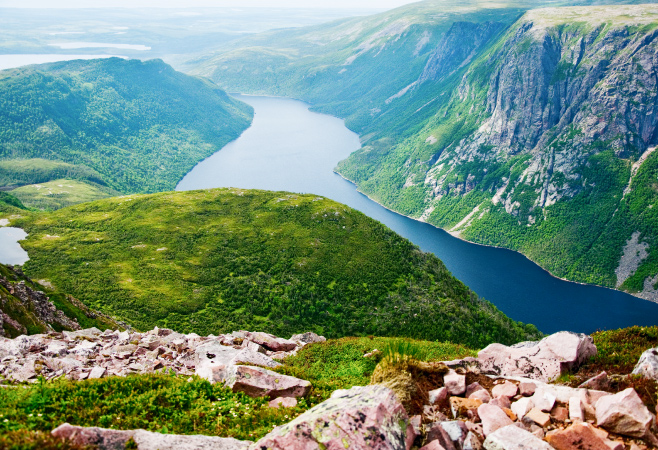
Gros Morne National Park is the perfect backdrop for all kinds of outdoor activities, particularly hiking
Category | Daily Pass | Discovery Pass (Annual) |
| Adult (18–64) | Approx. CAD 11.00 | Approx. CAD 75.25 |
| Senior (65+) | Approx. CAD 9.50 | Approx. CAD 64.50 |
| Youth (17 and under) | Free | Free |
| Family/Group | Approx. CAD 22.00 | Approx. CAD 151.25 |
Daily passes are ideal for short visits, while the Discovery Pass is better for travelers planning to visit multiple national parks throughout the year. Additional fees may apply for camping, backcountry permits, and guided activities.
Opening Hours
Gros Morne National Park is open year-round, although the availability of services varies by season and weather conditions
- Visitor Centres (Rocky Harbour & Bonne Bay) are open May-Oct, generally 9:00 AM to 5:00 PM but a little longer in July and August. Note: Key Parks Canada facilities include the Visitor Centre (Rocky Harbour) and the Discovery Centre (Woody Point). Hours vary by season, and the Visitor Centre typically operates year-round with reduced winter hours.
- Trails and natural areas: Trails are open year-round, but the conditions on the trails are greatly affected by weather, particularly snow and ice during winter.
- Boat tours and seasonal activities typically run from June to September, with occasional departures in early October depending on the weather.
Winter road conditions and trail warnings should also be observed by those traveling in winter because, sometimes, certain places are not easily accessible due to heavy snowfall or storms.
Parking Rules in Gros Morne National Park
Parking in Gros Morne National Park is generally free, but visitors must follow official regulations:
- Park only in designated lots at trailheads, visitor centres, and boat tour areas.
- Parking overnight is not permitted without staying at a recognised campground.
- It is prohibited to park on the vegetation or obstruct roads, and this may attract fines.
- Popular areas, especially Gros Morne Mountain and the Tablelands, can get crowded during peak summer months. It is advisable to come early, before 10:00 AM, during the peak season.
Your Perfect Itinerary: Top 7 Things to Do in Gros Morne National Park for First-Time Visitors
Gros Morne National Park is the most stunning natural landscape in Canada, which is available as an impressive combination of fjords, mountains, the shocking coastline, and colorful cultural communities. The park provides memorable experiences, whether you are an adventure enthusiast or a traveller who is out to enjoy the beautiful scenes. Below are the top 7 things to do that capture the essence of Gros Morne National Park.
Cruise Through Western Brook Pond Fjord
A cruise through Western Brook Pond Fjord is one of the best things to do in Gros Morne National Park, offering visitors the chance to witness some of the most spectacular scenery in Atlantic Canada. This is a freshwater fjord, hewn by the glaciers, and it has cliffs, deep valleys, and waterfalls that cascade dramatically into the pristine lake below.
The trip starts with a picturesque 3km stroll to the dock, where the boat ride sets off into the centre of the fjord. On the route, the geological history of the area is passed on to the visitor by experienced guides who explain how the geographical features were formed by the ice of ice ages that stretched millions of years ago. This memorable cruise is one of the best activities in the Gros Morne travel itinerary, whether you are a photographer, a lover of nature, or a first-time visitor.
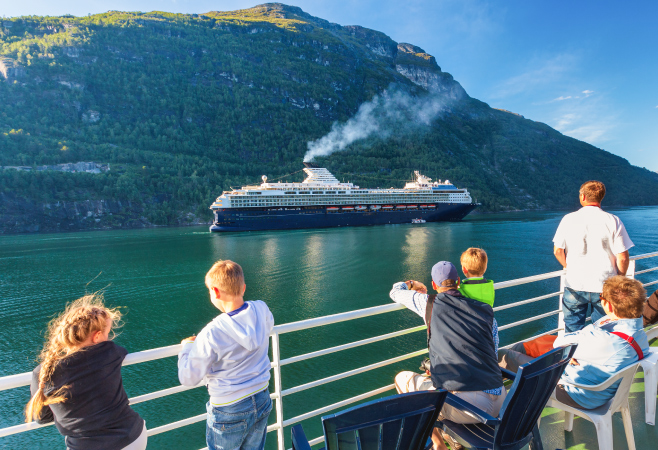
At Western Brook Pond, enjoy a scenic boat tour of the 16 km glacier-carved fjord, or for adventurous hikers, we offer guided day and overnight hikes to the top of Western Brook Gorge
Hike Gros Morne Mountain (James Callaghan Trail)
One of the best hiking experiences in Gros Morne National Park is the ascent of Gros Morne Mountain, also known as the Gros Morne Mountain Trail or the James Callaghan Trail. This is a tough route that requires a full day to walk and takes the hikers through dense forest, rocky terrain, and a strenuous uphill climb to reach the summit plateau.
At the summit, you will be rewarded with panoramic views of the fjords, deep valleys, and rugged coastline, which have characterized the dramatic scenery of Gros Morne. The trail is usually open between June and September, based on the weather conditions and melting of snow, and is recommended for experienced hikers with a good level of fitness. The summit of Gros Morne Mountain offers one of the most spectacular panoramic views in Newfoundland, making it a must-see for first-time visitors
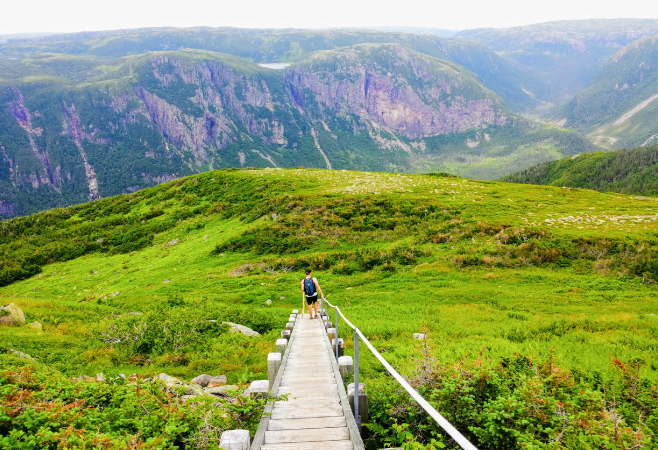
The Gros Morne Mountain (James Callaghan) Trail climbs to the park’s highest point (806 m) and offers sweeping views over Bonne Bay and the Long Range Mountains
Explore the Tablelands
The Tablelands is arguably one of the most notable landscapes in Canada, and it undoubtedly tops the list of things to do in Gros Morne National Park. This surreal terrain (characterized by rusty-orange rocks and bare slopes) is one of the few locations on Earth where the mantle of the Earth is exposed to the surface and is situated on the southern side of the park near Woody Point.
Exploring the Tablelands feels like stepping onto another planet, offering a rare glimpse into the geological forces that shaped Newfoundland’s ancient landscape. Exploration of the area can be carried out by guided walks, interpretive exhibits, or self-guided hikes using the Tablelands Trail. The Tablelands is an essential destination that has dramatic landscapes, unique rock formations, and excellent photo opportunities for geology enthusiasts, nature lovers, and first-time visitors.
Take a Coastal Walk in Green Gardens
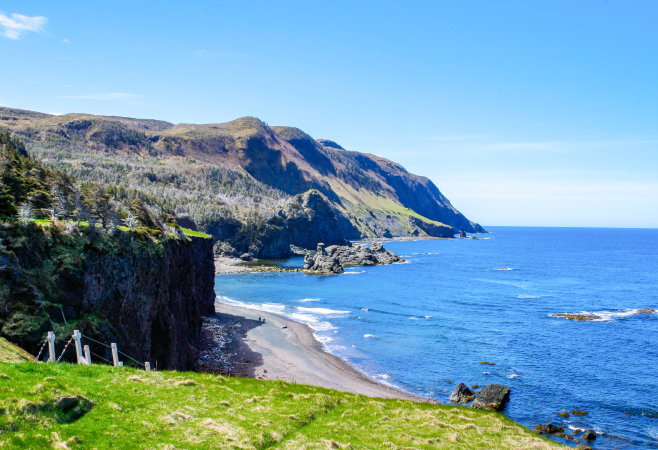
Green Gardens is among the most interesting coastal trails in Gros Morne, which provides breathtaking views with contrasting landscapes. The trail begins on barren volcanic rock shaped by ancient geological forces and gradually transitions into lush coastal meadows filled with wildflowers and ocean views.
Before reaching the coastline, people are offered a dramatic sea cliff, towering sea stacks, and the powerful sound of waves crashing below. It is a heaven in the eyes of the photographers, revelers of nature, and those who want to have a picturesque and varied hiking experience. With the option of the shorter or longer path to the coastline, Green Gardens provides some of the best coastal views in the park, and is a highly recommended addition to any first-time visitor’s itinerary
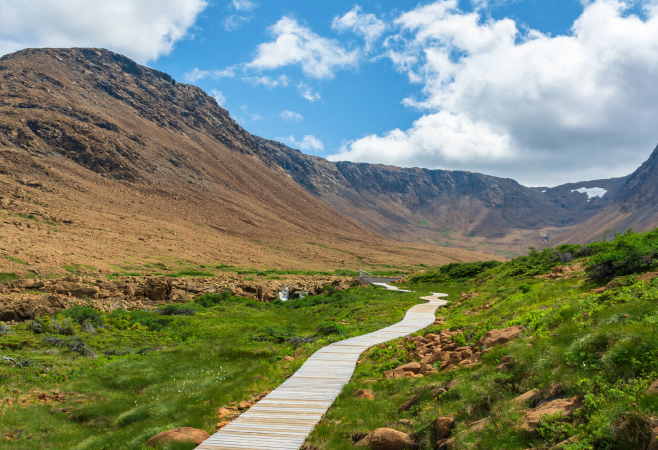
Green Gardens is a great place to discover some of the contrasting landscapes of Gros Morne National Park
Enjoy Bonne Bay by Kayak or Tour Boat
Bonne Bay is one of the most scenic and peaceful areas surrounding Gros Morne National Park, offering visitors a chance to experience Newfoundland’s fjord-like landscapes from the water. You can opt to take a guided kayak adventure or take a slow tour boat ride; the bay has unbelievable scenery of cliffs, picturesque coastal communities, and the surrounding mountains of the Long Range.
Kayaking is a close experience with marine life, which includes seals, sea birds, and sometimes even whales. To have a more relaxed experience, boat tours provide guided tours where you can get to see the geology, the history, and the wildlife of the region. To explore Gros Morne in terms of its natural beauty and cultural wealth, it is an experience to visit Bonne Bay by water.
Explore Woody Point & Norris Point
Woody Point and Norris Point are two of the prettiest communities in the Gros Morne National Park boundaries, and visitors have a fair mix of culture, scenery, and the warm Newfoundland hospitality. A visit to these towns gives one a better understanding of the coastal life that encompasses the park.
Woody Point boasts vibrant heritage buildings, craft shops, beach cafes, and convenient access to the legendary Tablelands. Norris Point features a beautiful waterfront, local restaurants, and the Bonne Bay Marine Station, where visitors can learn about the region’s marine life and ecosystems.
The two communities are good for hiking, sightseeing, and cultural tourism. Woody Point and Norris Point are a must-visit in a Gros Morne National Park itinerary due to their friendly environment and scenic locations.
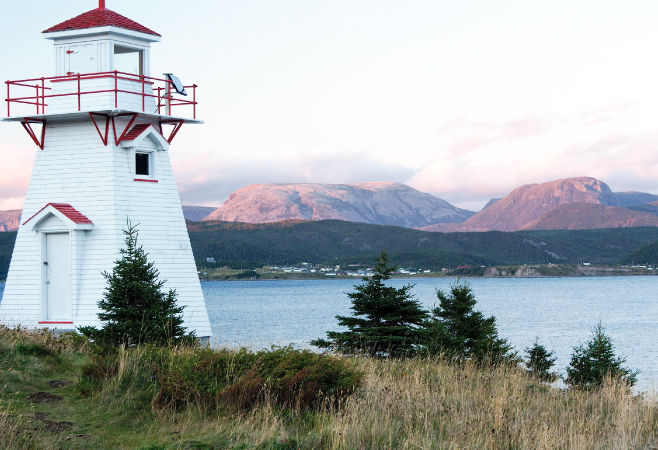
Woody Point is walkable, with activities like hiking, art, and the Woody Point of View show
Walk the Coastal Trail
The Coastal Trail is one of the most family-friendly and relaxing walks in Gros Morne National Park since it has a simple walking track with beautiful shoreline views. It is a smooth path along the coastline, and one can have a continuous sight of the Gulf of St. Lawrence, rocky formations, and the fluctuating waves. During summer, the trail is beautified with colorful wild flowers that provide beauty as well as a very colorful detail to the landscape.
It is an excellent place to have a family outing with children, a casual hiker, or someone who wants to have a quiet outdoor time without having to work hard because of the severe weather. Benches and scenic viewpoints en route encourage the visitors to stop, take photos, and enjoy the fresh ocean breeze. The Coastal Trail offers the coastal charm, simple yet memorable, whether you are going to take an early morning walk or a relaxing stroll at sunset.
Where to stay in Gros Morne National Park?
When spending time in Gros Morne National Park, it is necessary to find the ideal location to stay. Most accommodations are located in nearby communities such as Rocky Harbour, Norris Point, and Woody Point, which serve as convenient bases for exploring the park.
Whether you prefer rustic cabins, waterfront retreats, or boutique comfort, these towns offer some of the top places to stay near Gros Morne National Park, each providing easy access to hiking trails, fjords, and coastal scenery.
1. Neddies Harbour Inn -Norris Point
Neddies Harbour Inn is widely considered one of the best places to stay near Gros Morne National Park, thanks to its peaceful setting and breathtaking views of Bonne Bay and the Long Range Mountains. The inn is located in the community of Norris Point and offers modern rooms, an on-site spa, and easy access to local boat tours. Its waterfront setting makes it an ideal place to unwind after a day of sightseeing.
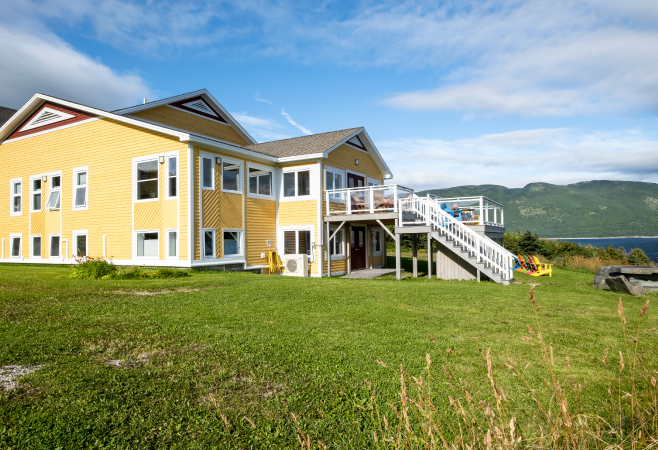
With top-notch service and accommodations, guests can enjoy stunning views of the bay, Long Range Mountains, and Gros Morne National Park
2. The Rooms at Woody Point
The Rooms at Woody Point is a top choice for travelers seeking upscale comfort paired with spectacular scenery, breathtaking landscapes, and scenic views. Each suite features floor-to-ceiling windows overlooking Bonne Bay and the iconic Tablelands. Located in the center of Woody Point, it offers easy access to cafés, artisan shops, and the Discovery Centre—perfect for couples and photography lovers.
3. Gros Morne Cabins, Rocky Harbour
Gros Morne Cabins provides comfortable and cabin-like rooms that would suit visitors seeking convenience and affordability. It is in Rocky Harbour, and it keeps the guests near restaurants, shops, and the scenic Lobster Cove Head Lighthouse. Although Western Brook Pond is a 25–30 minute drive away, Rocky Harbour remains one of the most convenient bases for exploring northern Gros Morne.
4. Ocean View Hotel - Rocky Harbour
The Ocean View Hotel is considered one of the most popular places to stay near Gros Morne National Park, especially for visitors who appreciate both comfort and culture. The hotel is just steps from the waterfront in Rocky Harbour and features spacious rooms, a warm atmosphere, and a popular restaurant that hosts live Newfoundland music nights.
Guests can enjoy traditional Newfoundland cuisine, local storytelling, and lively entertainment that highlight the region’s coastal culture. It is also well situated to allow its visitors to regularly enjoy sunset strolls, as well as scenic boat tours, and the proximity of some of the most popular walking trails in the park. The Ocean View Hotel will give you a memorable experience, whether you are here to have fun or to relax.
5. Lomond Campground – Southern Gros Morne
For a more immersive nature experience, Lomond Campground is an excellent camping option near the southern end of Gros Morne. It is close to the East Arm of Bonne Bay and has unserviced camping sites, beach accessibility, and a tranquil forest environment. It is also a short drive from the Tablelands and the Green Gardens trailhead, making it ideal for hikers and outdoor enthusiasts.
Gros Morne National Park Insider Tips: Essential Things to Know Before You Go
A visit to the Gros Morne National Park is an experience that you will not forget easily, and some preparation will see you make the most out of your visit. You may be thinking of taking on world-class trails, boat sightseeing fjords, or getting lost in the coastal culture, but any of these is best supported with these key tips, so that it makes the visit more enjoyable and painless.
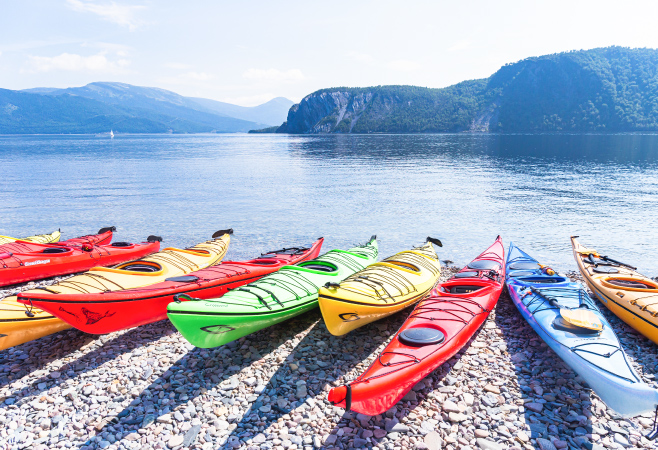
It hasbeautiful scenery that is accessible without hiking, but it also has great food, cute towns, and fascinating geology.
1. Book Accommodations and Tours Early
Surrounding communities such as Rocky Harbour, Norris Point, and Woody Point get very busy during peak season. Popular activities such as the Western Brook Pond fjord cruise often sell out weeks in advance. Reserving hotels and tours in advance is very critical, particularly when traveling in July and August.
2. Prepare for Rapid Weather Changes
Newfoundland’s weather can change quickly and unexpectedly. Sudden rainfalls, fogs, or winds are frequent even in summer. Be sure to pack layers, a waterproof jacket, sturdy hiking boots, and sun protection. Temperatures can feel colder in exposed areas such as the Tablelands and Gros Morne Mountain
3. Respect Wildlife and Stay Safe on Trails
Moose are often seen along roads and trails, so observe them from a safe distance and drive slowly, especially at dawn or dusk. Use designated paths to preserve sensitive biospheres and minimize the chances of being lost. In exerting ascents such as Gros Morne Mountain, one should begin early, carry lots of water, and always carry navigation aids.
4. Pack Food, Fuel, and Essentials
Shops and restaurants in the surrounding communities are limited compared to larger towns. Also carry snacks and water along with a simple supply kit, in particular when venturing out to remote locations. Gas stations can be spaced out, and it is prudent to have your tank refueled.
5. Check Trail and Facility Updates
Due to the weather or maintenance, trail openings, ferry schedules, and visitor services may vary. Gros Morne Mountain often opens later in June due to lingering snow. Always consult Parks Canada updates or visit the centre employees before going out
6. Bring Cash for Rural Areas
Most of the businesses receive cards, but smaller stores, craft fairs, and country services can take cash. Carrying a small amount of cash can be useful in rural areas where smaller shops or craft markets may not accept cards.
7. Travel Documents
Always make sure you have appropriate travel documents before visiting Gros Morne National Park, particularly when visiting it as a foreigner. Visitors traveling internationally must bring a valid passport and may require a visa or an Electronic Travel Authorization (eTA) upon entering the country when flying.
If you’re flying within Canada, ID requirements depend on age and airline rules—check your carrier’s current policy. Keep your driver’s licence and a credit card handy for car rentals. In case of hiring a car, bring a valid driving license and a credit card to make deposits. Make digital and printed copies of park passes, hotel bookings, and tour confirmations, as internet access can be limited.
Conclusion
Gros Morne National Park is a place that is a mix of dramatic scenery, a rich geological heritage, and a welcoming coastal culture, making it an experience unmatched anywhere else in Canada. Ranging from fjords and rough mountain ridges to lovely seaside villages. Everywhere in the park, adventure and exploration await. Be it hiking some of the best trails in the world, riding along through fjords that were carved by glaciers, or just relishing the tranquil pace of Newfoundland life, Gros Morne is an unforgettable experience for each traveler.
This Gros Morne National Park travel guide provides essential tips, top experiences, and practical advice to help you plan a smooth and memorable trip. It offers you the necessary tips, the best places, and practical details that will make your trip to this national park enjoyable and easy. Expect fast-changing coastal weather—pack layers and rain gear—then enjoy Gros Morne’s rugged beauty in any season. A visit here is not just a vacation—it’s an experience you’ll remember for years to come