Cheapest Place to Travel in Canada: 10 Places to Compare
Updated: October 20, 2026
There is no single cheapest place to travel in Canada for every visitor. Winnipeg, Regina, and Saskatoon are worth comparing, while Québec City or Montréal may suit a trip focused on walking and sightseeing. Your cheapest option depends on the total cost of getting there, staying overnight, and moving around on your chosen dates.
The ten destinations below are a planning shortlist, not a verified ranking from cheapest to most expensive. Compare accommodation and transport quotes for the same dates before booking.
Which Canadian destination should you compare first?
| Your trip | Places to compare | Main cost question |
|---|---|---|
| A regional Prairie break | Winnipeg, Regina, Saskatoon | Can you arrive affordably without adding a costly flight or rental car? |
| A walking-focused cultural break | Québec City, Montréal | Does central accommodation save more on transport than it costs? |
| Parks and urban sightseeing | Edmonton, Ottawa | Can you combine outdoor days with carefully chosen paid attractions? |
| A New Brunswick itinerary | Fredericton, Saint John | How much do driving, fuel, and parking add? |
| A coastal city stay | Halifax | Do your flight and room quotes fit the budget before adding excursions? |
10 Canadian cities to consider for a budget trip
1. Winnipeg, Manitoba
Consider Winnipeg when the journey there is affordable and your accommodation quote leaves room for the rest of the trip. The City of Winnipeg lists free seasonal activities, including selected swimming opportunities. Check the dates and eligibility for each activity rather than assuming it runs year-round.
Budget check: compare the complete trip, including airport transfers or driving costs. Free activities alone do not establish that Winnipeg is Canada’s cheapest city.
2. Québec City, Québec
Québec City is worth comparing for a trip built around historic streets, viewpoints, and parks. The official budget guide
Budget check: compare the cost of staying near your walking route with a cheaper room that requires additional transport. Check access and opening arrangements for any indoor visits.
 Saskatoon is known as the "City of Bridges" for its eight river crossings
3. Saskatoon, Saskatchewan
Saskatoon may fit a regional itinerary centred on riverside walks. Use the Meewasin Valley Authority’s information to plan trail visits and check conditions.
Budget check: compare the cost of reaching Saskatoon with other destinations near your starting point. A lower room quote may not compensate for a more expensive journey.
4. Regina, Saskatchewan
For Regina, start with a plan around Wascana and compare the accommodation needed for that itinerary. Tourism Regina’s Wascana guide offers ideas for exploring the area.
Budget check: check distances and transport from each shortlisted room. Do not treat a low nightly price as good value until the daily travel cost is included.
5. Edmonton, Alberta
Edmonton offers a river valley setting for an outdoor-focused city trip. Explore Edmonton’s river valley information can help you choose an area to explore; check current access and conditions before setting out.
Budget check: build a city itinerary first. Add any mountain or other out-of-town excursion as a separate transport and accommodation decision rather than assuming it fits the same city budget.
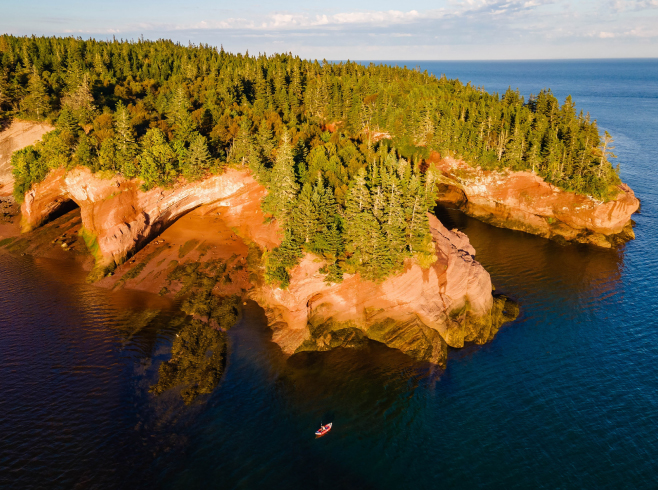 Fredericton is a major hub for craft breweries, arts, and outdoor trails
6. Fredericton, New Brunswick
Fredericton is worth considering for a slower trip with time beside the river. The city’s parks and trails include The Green and riverfront routes.
Budget check: keep local walks separate from regional excursions. Fundy National Park is not in Fredericton; a visit requires its own transport plan.
7. Saint John, New Brunswick
Saint John may suit a New Brunswick itinerary that includes time in the historic Uptown area. The City Market visitor page provides information for planning a market stop. Check the opening days before organising a short stay around it.
Budget check: add parking and regional travel to your accommodation quote. Budget separately for purchases, meals and guided activities.
8. Ottawa, Ontario
Ottawa offers options for combining outdoor sightseeing with selected museum visits. Ottawa Tourism lists free or nearly free activities, including limited free-admission periods at some museums.
Budget check: confirm each museum’s current hours, booking rules, and exhibition coverage. A free admission period does not necessarily include every exhibition or activity.
9. Montréal, Québec
Montréal can suit a trip built around outdoor walks and cultural activities. Tourisme Montréal’s seasonal guide includes free options such as exploring Mount Royal. Check dates before relying on an event.
Budget check: compare room locations with your planned daily route. A destination with plenty of free activities can still become expensive if the accommodation quote is high.
10. Halifax, Nova Scotia
For a coastal city trip, compare Halifax with the other destinations you can reach affordably. Discover Halifax highlights the waterfront and Public Gardens among downtown experiences.
Budget check: separate a city stay from excursions elsewhere in Nova Scotia. Add the cost of any vehicle, tour, or overnight stop outside Halifax before deciding.
How to calculate a budget trip to Canada
Use dated accommodation and transport quotes rather than treating one daily figure as a reliable price for every city. Compare the same travel dates, number of people, room type, cancellation terms and included taxes.
Worked example — hypothetical inputs, not market prices: imagine one adult taking a seven-day, six-night trip, using shared accommodation, simple meals and mostly low-cost sightseeing. The amounts below demonstrate the calculation; they are not verified rates or a promise that you can book at these prices.
| Item | Assumed allowance in Canadian dollars | Calculation | Trip allowance |
|---|---|---|---|
| Accommodation per person | C$50–100 per night | 6 nights | C$300–600 |
| Food | C$25–45 per day | 7 days | C$175–315 |
| Local transport | C$10–20 per day | 7 days | C$70–140 |
| Activities | C$5–25 per day | 7 days | C$35–175 |
| Illustrative subtotal | Replace each assumed amount with your own quote or allowance | C$580–1,230 | |
This subtotal excludes travel to and from Canada, intercity travel, airport transfers, any rental car, parking, insurance, entry-document costs, equipment, tips, and a contingency. Add applicable accommodation taxes and fees if they are not included in the quote. The Canada Revenue Agency explains GST/HST treatment for travel services; other applicable accommodation charges depend on the location.
If you cannot find suitable accommodation within the assumed range, recalculate the trip. For families, use the actual room occupancy and total family fares instead of multiplying a solo traveller’s budget.
How to reduce transport costs
- Compare a single-region itinerary with a trip that crosses several distant provinces.
- Include baggage, airport transfers, fuel, parking and any overnight stops in the comparison.
- Check actual routes and schedules before deciding that a rental car is unnecessary.
- Compare buses, trains and flights for your dates; no one mode is always cheapest.
- Check VIA Rail’s Discount Tuesday and read the conditions before booking.
Planning a lower-cost nature trip
Choose a park that fits your route, then add transport, equipment and overnight costs. Camping may suit your budget if you already have suitable equipment and can reach the campsite affordably; it is not automatically cheaper for every visitor.
Use Parks Canada’s admission information to compare park admission with a Discovery Pass and check exemptions. Admission passes do not replace the need to budget for camping and other separately charged services.
If you plan to visit Fundy National Park, check its current access notices and campground arrangements before booking. Keep the park visit separate from your Fredericton or Saint John city budget.
When should you travel to save money?
Compare dates outside local holidays and major events, then check weather and seasonal opening schedules. Shoulder-season travel may cost less, but savings are not guaranteed. Cheaper accommodation can lose its advantage if attractions are closed or transport options require additional spending.
For a winter trip, add suitable clothing, equipment and disruption allowances to the comparison. For any season, check the cancellation terms before treating a low advertised rate as the best deal.
Check entry documents before making non-refundable bookings
Your entry-document requirements depend on your passport, immigration status and journey. An eTA is different from a visitor visa, and not every traveller needs either document. Use IRCC’s entry-requirements guidance for your circumstances, including each air, land or sea leg.
Check whether you need the document, what any fee covers, and whether you can apply directly through the Government of Canada. Using a private assistance service is optional.
Frequently asked questions
Is Winnipeg the cheapest city to visit in Canada?
Winnipeg belongs on a budget-travel shortlist, but this guide does not establish it as the cheapest city. Compare the total journey, accommodation, and local spending for your dates.
Can I visit Canada on C$100 per day?
It may be possible for a particular itinerary if suitable accommodation is available and your other costs stay low. Test the amount against actual quotes and include taxes, transfers, and costs outside the daily allowance.
Is Québec City cheaper than Toronto?
That depends on your dates, accommodation, and journey. Québec City offers options for walking-focused sightseeing, but compare equivalent quotes before concluding that the whole trip will cost less.
Is driving cheaper than taking the train?
Compare the total cost per traveller. For driving, include rental charges if applicable, fuel, parking, and overnight stops. For rail, include the final fare and travel to and from stations.
What is the cheapest way to see Canada’s national parks?
Start with a park near your route and compare admission, transport, and accommodation together. Check exemptions and pass options, and add camping, equipment and separately charged activities where needed.
For more destination ideas, explore our Canada travel articles. Choose your destination using the complete trip cost rather than a cheapest-city label.